



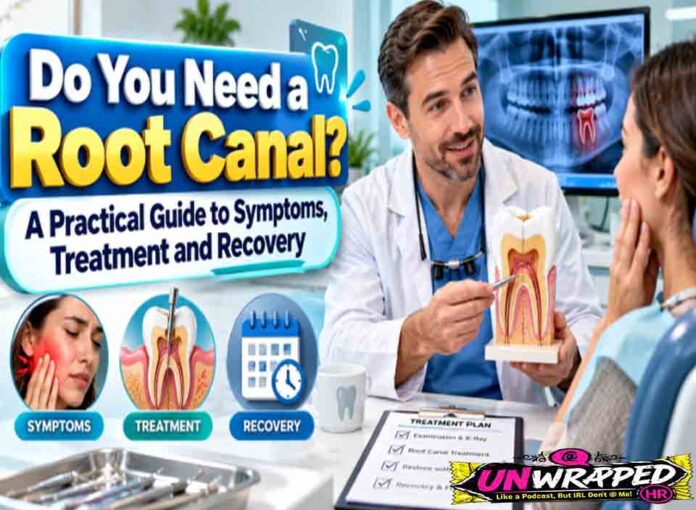
Tooth pain has a way of taking over your day. If a dentist has mentioned “root canal treatment,” or you’re trying to work out whether your symptoms point to one, it helps to understand what’s actually involved before you sit in the chair.
This guide covers why root canals are needed, what the appointment itself looks like, how recovery typically goes, and what to think about if you’re weighing up where to get treated.
Why the Tooth Needs Treatment in the First Place
At the centre of every tooth sits the pulp — a bundle of nerves and blood vessels that keeps the tooth alive during its early development. Once a tooth is fully grown, it can survive without this pulp, which is why root canal treatment is possible at all.
Problems start when bacteria reach the pulp, usually through:
- Deep decay that’s gone untreated
- A crack or fracture in the tooth
- Repeated dental procedures on the same tooth
- Trauma from an injury, even if it happened years earlier
Once infected, the pulp can’t heal on its own. Left alone, the infection can spread to the bone around the tooth’s root, causing an abscess and putting the tooth at risk.
How Do You Know If You Need One?
There’s no single symptom that confirms a root canal is necessary — that call belongs to your dentist, based on an exam and X-ray. But certain signs are worth getting checked promptly:
- Sharp or lingering pain, particularly when biting down
- Sensitivity to hot or cold that doesn’t fade quickly
- A tooth that feels “different” — sometimes described as a dull ache or pressure
- Gum swelling or tenderness localised to one tooth
- Visible darkening of the tooth
It’s also possible to have no symptoms at all, with the issue only picked up during a routine check-up. This is one reason regular dental visits matter, even when nothing feels wrong.
Setting the Record Straight on Pain
Root canal treatment has an unfair reputation. In reality, the procedure is carried out under local anaesthetic, and most patients describe it as similar to having a filling done.
The pain people associate with root canals is usually the pain of the infection beforehand — the very thing the treatment is meant to resolve. Once the damaged pulp is removed, many patients feel noticeably better.
Some tenderness in the days following treatment is common, particularly when chewing, and typically settles with basic pain relief and time.
What Happens Step by Step
Every case differs slightly, but the general process looks like this:
Diagnosis
Your dentist reviews your symptoms and takes an X-ray to assess the extent of the infection and the shape of the tooth’s root canals.
Numbing the Area
A local anaesthetic ensures the tooth and surrounding gum are numb before treatment starts.
Opening the Tooth
A small access point is created through the top of the tooth to reach the infected pulp.
Removing and Cleaning
The damaged pulp is removed, and the canals inside the root are carefully cleaned and shaped.
Sealing the Canal
Once clean, the canals are filled with a biocompatible material to prevent bacteria from returning.
Protecting the Tooth
A temporary or permanent filling is placed, and in many cases, a crown is recommended afterward to protect the tooth from cracking, since it can become more fragile over time.
Treatment can sometimes be completed in a single appointment, though more complex cases may need two visits.
Recovering Well After Treatment
Recovery is usually manageable, but a few habits make a real difference:
First 48–72 hours
- Avoid biting directly on the treated tooth
- Choose softer foods until sensitivity eases
- Take pain relief as directed by your dentist
- Continue gentle oral hygiene around the area
Ongoing care
- Book any follow-up appointment for a permanent restoration
- Watch for warning signs such as worsening pain, swelling, or a return of the original symptoms
- Keep up regular dental visits, since a treated tooth still needs long-term monitoring
Most people are back to normal eating within a day or so, though healing pace varies from person to person.
Root Canal or Extraction — How Dentists Decide
When a tooth is badly compromised, dentists usually weigh up two options: treating and saving the tooth, or removing it.
Generally, keeping a natural tooth is preferred where it’s realistically restorable, because it tends to preserve normal biting function and doesn’t require a replacement. Extraction becomes the more sensible option when the tooth is too damaged to save, or when saving it wouldn’t meaningfully improve the outcome.
This decision depends on the individual tooth, the extent of infection, and the patient’s broader dental health — which is why a proper in-person assessment matters more than general guidelines.
Understanding the Cost Question
Root canal costs in Australia vary depending on which tooth is involved (molars have more canals and take longer than front teeth), whether a general dentist or specialist endodontist performs the treatment, and whether a crown is needed afterward.
Private health cover with extras may reduce out-of-pocket costs, but it’s worth asking your dentist for an itemised treatment plan and quote before committing, so you know exactly what’s included.
What About Getting Treatment Overseas?
Given the cost of dental care in Australia, it’s not unusual for people to look into treatment abroad, including in destinations like Thailand where dental and wellness tourism is well established. This can suit some patients, but it deserves the same scrutiny you’d apply to choosing a local provider — arguably more, given the added logistics.
Useful things to check before deciding include:
- Whether the clinic and dentist hold recognised qualifications and accreditation
- How follow-up care would be handled if a problem arose after you’ve returned home
- Whether you can communicate clearly about your symptoms and treatment plan
- Whether your travel schedule allows adequate time to recover before flying
Some providers combine dental treatment with broader health and wellness services. BDMS Wellness Clinic, for example, is a Bangkok-based provider that lists root canal treatment among its dental programs — worth a look if you’re researching overseas options, alongside independent reviews and a conversation with your regular dentist about whether it makes sense for your situation.
The right choice isn’t really about location — it’s about whether the provider, wherever they are, can deliver proper diagnosis, skilled treatment, and a realistic plan for aftercare.
Questions to Bring to Your Appointment
A short list of questions can make the conversation with your dentist far more useful:
- Is this tooth a good candidate for root canal treatment, or would extraction serve me better long-term?
- Will I need a crown, and how does that affect the total cost?
- How many appointments are likely, realistically?
- What happens if I put off treatment for now?
- What symptoms after the procedure would mean I should come back in?
The Bottom Line
Root canal treatment exists to relieve pain and save a tooth that would otherwise be lost — not to cause discomfort. With modern anaesthetic and technique, most patients find the experience far more manageable than they expected.
If you’re dealing with tooth pain or noticed any of the warning signs above, the most useful step is a proper dental assessment rather than guesswork. From there, your dentist can explain what’s going on and talk through the options that make sense for you.
This article is for general information only and isn’t a substitute for professional dental advice. Always consult a qualified dentist or endodontist for diagnosis and treatment specific to your situation.