



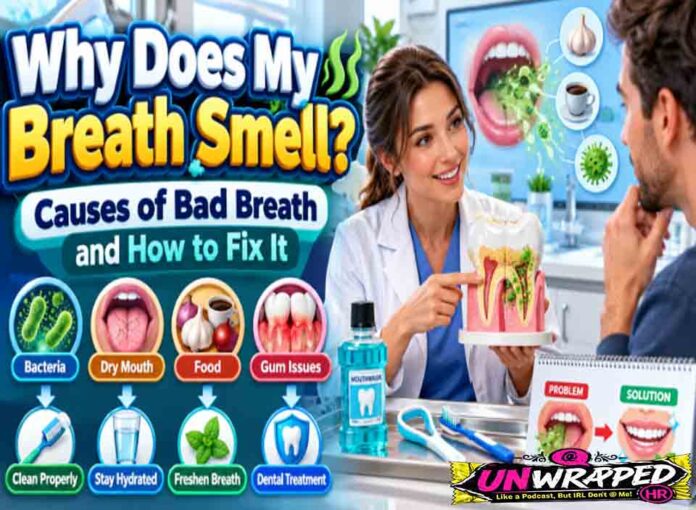
Almost everyone worries about bad breath from time to time. But if you’ve tried the usual fixes — brushing more, mints, mouthwash — and the problem keeps coming back, there’s likely something more specific going on underneath.
This guide explains what actually causes persistent bad breath, what you can reasonably try at home, and when it’s worth seeing a professional for a proper diagnosis.
What Is Halitosis, Really?
Halitosis is the clinical term for chronic bad breath — breath odour that persists beyond what’s explained by something you just ate or a morning without brushing. It’s extremely common and rarely a sign of anything serious, but it can be genuinely disruptive to confidence and social situations.
The key distinction is between:
- Temporary bad breath — caused by food, coffee, alcohol, smoking, or simply waking up, and usually resolved with normal hygiene
- Chronic bad breath — persists day after day despite good oral care, and usually points to an underlying cause that needs addressing directly
If you fall into the second category, it’s worth understanding why before assuming another mint will fix it.
The Most Common Causes of Bad Breath
Oral Causes
The mouth is responsible for the large majority of chronic bad breath cases. Common culprits include:
- Bacteria buildup on the back of the tongue, which produces sulphur compounds
- Gum disease or gum inflammation
- Untreated tooth decay or infection
- Ill-fitting dental work that traps food and bacteria
- Dry mouth, which reduces saliva’s natural cleansing effect
Lifestyle Factors
- Smoking or vaping
- Diets high in strong-smelling foods like garlic or onion
- Alcohol or coffee, which can dry out the mouth
- Inadequate hydration
Medical Factors
Less commonly, persistent bad breath can be linked to:
- Sinus infections or post-nasal drip
- Tonsil stones
- Acid reflux
- Certain medications that cause dry mouth as a side effect
- Underlying conditions affecting digestion or metabolism
Because the causes span both dental and general health, working out the source sometimes takes more than a look in the mirror.
What You Can Try First
Before assuming you need professional treatment, a few adjustments are worth trying consistently for a couple of weeks:
- Brush twice daily and don’t skip the tongue — most odour-causing bacteria collect there
- Floss daily to remove trapped food and plaque between teeth
- Stay well hydrated throughout the day, not just at mealtimes
- Cut back on smoking, alcohol and excess coffee where possible
- Replace your toothbrush every few months
- Chew sugar-free gum to stimulate saliva flow if dry mouth is a factor
These steps resolve a meaningful number of bad breath complaints, particularly when the cause is simple bacteria buildup or mild dehydration.
When Home Care Isn’t Enough
If bad breath persists despite consistent oral hygiene, it’s a sign the cause likely isn’t something a toothbrush alone can fix. This is worth taking seriously rather than masking with stronger mints or mouthwash, which only cover the smell temporarily.
Signs it’s time to see a dentist or GP include:
- Bad breath that persists for weeks despite good hygiene
- A metallic, sour or unusual taste alongside the odour
- Visible gum redness, swelling or bleeding
- Bad breath accompanied by other symptoms, such as reflux or sinus congestion
- Bad breath that’s noticeably worsened over a short period
A dentist can assess your teeth, gums and tongue directly, while a GP may be the right first point of contact if the cause seems more medical than dental — for example, ongoing sinus or digestive symptoms.
How Professionals Diagnose the Cause
A proper assessment typically goes beyond a visual check. It may include:
Clinical Examination
Checking the teeth, gums, tongue and any existing dental work for signs of decay, infection or inflammation.
Breath and Odour Assessment
Some clinics use more objective methods to assess breath odour and help pinpoint whether the source is oral or something else, rather than relying purely on self-report.
Medical History Review
Understanding your diet, medications, hydration habits and any related symptoms (like reflux or congestion) to rule in or out non-dental causes.
From there, treatment is tailored to what’s actually found — which might mean a professional clean, gum treatment, tongue cleaning guidance, addressing dry mouth, or referral for a medical issue outside the dentist’s scope.
Treatment Options, Matched to Cause
| Suspected Cause | Typical Approach |
| Bacteria on the tongue | Tongue cleaning technique, possibly antibacterial rinse |
| Gum disease | Professional cleaning and periodontal treatment |
| Tooth decay or infection | Filling, root canal treatment, or extraction depending on severity |
| Dry mouth | Hydration strategies, saliva-stimulating products, reviewing medications |
| Sinus or digestive issues | Referral to a GP or relevant specialist |
There’s no universal fix for bad breath because the causes are genuinely different from person to person — which is exactly why a proper diagnosis matters more than trial-and-error products.
Considering a Specialist Clinic
For chronic cases that haven’t responded to a regular dental check-up, some clinics offer a more dedicated approach to diagnosing and treating halitosis, rather than folding it into a standard appointment. This can include a more structured breath assessment alongside a full review of oral and medical history.
BDMS Wellness Clinic in Bangkok, for instance, runs a Fresh Breath Clinic that focuses specifically on identifying the underlying cause of chronic bad breath rather than just addressing the symptom. If you’re researching options — locally or while looking into care overseas — it’s a useful example of how a dedicated halitosis service is structured, though it’s worth comparing this against options closer to home and checking credentials and reviews either way.
A Few Things Worth Knowing
- Bad breath is common and treatable in the vast majority of cases — it’s rarely a sign of anything serious on its own
- Masking odour with mints or strong mouthwash long-term can delay finding and fixing the actual cause
- Chronic dry mouth is one of the most overlooked contributors, especially for people on certain medications
- If gum disease is the cause, addressing it early tends to be more straightforward than waiting
Final Thoughts
Persistent bad breath is frustrating, but it’s rarely something you have to simply live with. In most cases, there’s a specific, identifiable cause — and once that’s addressed, the improvement tends to be noticeable.
If home care hasn’t shifted things after a few weeks, the most useful next step is a proper check-up rather than another product from the pharmacy shelf. A dentist or GP can look at what’s actually going on and point you toward a solution that addresses the cause, not just the smell.
This article is general information only and doesn’t replace professional dental or medical advice. If you have persistent or worsening symptoms, speak with a qualified dentist or doctor for an assessment tailored to you.