

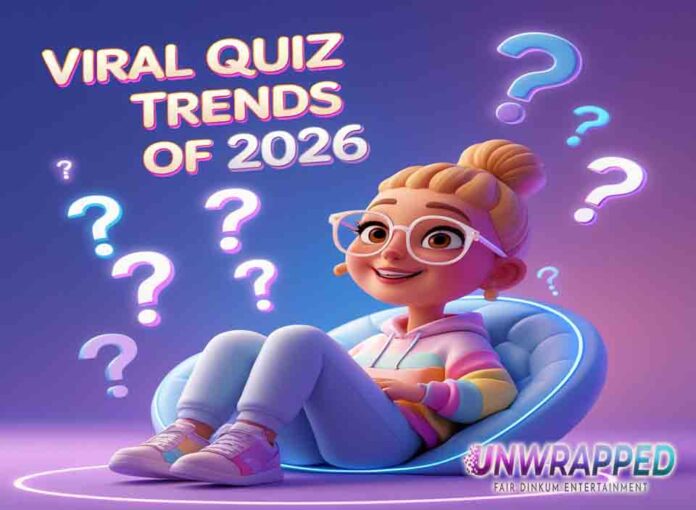
In 2026, online quizzes have evolved far beyond playful distractions on social media. What began as a way to pass time on platforms like Facebook and BuzzFeed has transformed into a booming digital industry that combines psychology, data analytics, and self-development. The modern quiz isn’t just about finding out which Harry Potter character you are — it’s about gaining insight into your values, strengths, and mental patterns.
This new generation of viral personality quizzes has become a global phenomenon, reshaping how people connect, reflect, and even make life decisions. As more users shift toward personalized growth experiences, brands and creators are leveraging interactive tests to blend entertainment with emotional insight. The psychology behind these viral quizzes reflects society’s deepening desire for self-awareness — and 2026 has officially marked the year they went from social media gimmicks to tools of genuine transformation.
The Evolution of Online Quizzes: From Fun to Function
It wasn’t long ago that personality quizzes were considered trivial. Platforms like BuzzFeed popularized the trend by tapping into people’s curiosity and social sharing habits. According to Statista, over 4.9 billion people are active on social media as of 2026, meaning the potential reach of a single engaging quiz is astronomical.
But what’s changed is the purpose. Modern quizzes are increasingly grounded in behavioral psychology and psychometrics, mirroring principles found in frameworks such as the Big Five Personality Traits and Jungian Typology. For instance, a viral test like “What’s Your Emotional Intelligence Type?” doesn’t just provide entertainment — it uses data-driven insights to deliver meaningful feedback that can influence one’s communication or career choices.
This fusion of psychology and technology is one of the key reasons why 2026 is considered the year of quiz-based self-discovery. Developers are building algorithms that assess tone, decision-making logic, and emotional language patterns to provide a more nuanced and accurate picture of the quiz-taker’s psyche.
Why Quizzes Became Viral Again in 2026
The resurgence of quizzes can be attributed to three major digital shifts:
Personalization and Data Insight
As platforms like TikTok, Instagram, and LinkedIn evolve toward hyper-personalized feeds, quizzes offer a new kind of user-generated experience. People crave tailored feedback, and personality quizzes deliver precisely that — instant validation combined with perceived self-awareness.Gamification of Self-Improvement
Quizzes now incorporate badges, progress bars, and achievement systems that make self-discovery addictive. Sites like PersonalityPeek have introduced quiz-based growth programs where results are linked to coaching modules and productivity trackers.Psychological Accessibility
Mental health awareness has skyrocketed in recent years, with global surveys from the World Health Organization reporting higher openness to self-evaluation and emotional introspection. Quizzes provide an easy, stigma-free way to explore aspects of one’s mental and emotional world — without a therapist’s office or diagnostic label.
The Shift from Social Media Trend to Self-Development Tool
In 2026, the most viral quizzes aren’t built for clicks — they’re built for clarity.
Platforms now design their quizzes using behavioral data, natural language processing, and evidence-based psychological frameworks. Many emerging quiz platforms integrate artificial intelligence (AI) to offer dynamic feedback, adapting questions in real time based on user tone and previous answers.
For example, an AI-powered career quiz might notice hesitation in a user’s language and reframe its next question to assess self-confidence or emotional risk tolerance. These adaptive experiences mimic the nuance of human conversation, making each result feel personal and insightful.
This shift has turned what used to be a fleeting online activity into a legitimate digital self-reflection experience. According to insights from Psychology Today, people are now more likely to trust personality feedback from algorithmic systems than from casual peer assessments — especially when those quizzes appear credible, visually polished, and psychologically informed.
The Psychology Behind Why People Love Quizzes
It’s not just curiosity that drives engagement — it’s self-validation. Quizzes satisfy an innate human desire to make sense of oneself in a complex social world. They help people answer timeless questions: Who am I? How do I compare to others? What makes me unique?
Psychologists suggest that online quizzes trigger the brain’s reward centers, similar to social media likes or game achievements. The moment a user receives their result, dopamine levels rise — especially if the description is flattering, accurate, or resonates emotionally. This “aha” moment keeps users sharing results across platforms, perpetuating the viral cycle.
In 2026, this effect is amplified through AI-generated personalized feedback. Instead of generic labels, modern quizzes might provide a nuanced report detailing emotional tendencies, conflict styles, or cognitive strengths. It’s like receiving a mini-therapy session wrapped in entertainment.
See Also: Jungian Functions vs. Traits: Which Framework Will Dominate in 2026?
What Makes a Quiz Go Viral in 2026
To succeed in today’s digital climate, quizzes must combine three essential ingredients:
Emotional Resonance – Results that speak directly to a person’s lived experience.
Scientific Credibility – Psychological grounding or references to research.
Social Shareability – Visually engaging design and relatable, bite-sized conclusions.
The perfect viral quiz hits all three — it feels personal, looks professional, and sparks conversation. This combination transforms the quiz from mere content into a social identity statement.
Call-to-Action
As the world embraces a more introspective digital culture, now is the perfect time to explore your own personality evolution. Try a scientifically-backed quiz from platforms like PersonalityPeek to uncover your deeper patterns — and share your insights with others.
If this article resonated, spread the word by sharing it on social media or linking it in your community forums. The next viral quiz trend starts with curiosity — maybe even yours.
Conclusion
The viral quiz movement of 2026 isn’t just about fun — it’s about functional self-awareness. From social media to self-discovery, these tools have redefined how people explore their inner worlds. What used to be dismissed as “pop psychology” is now being integrated into mental health education, coaching programs, and AI-powered self-assessment platforms.
As technology continues to bridge the gap between entertainment and enlightenment, the humble quiz has evolved into something powerful: a digital mirror reflecting who we are — and who we can become. In a world overflowing with data, the most viral question remains the simplest one: Who am I, really?
Another Must-Read: The Psychology Behind Personality Quizzes in 2026: What’s Changed and Why It Matters