

The Real Reason Companies Rely on Them
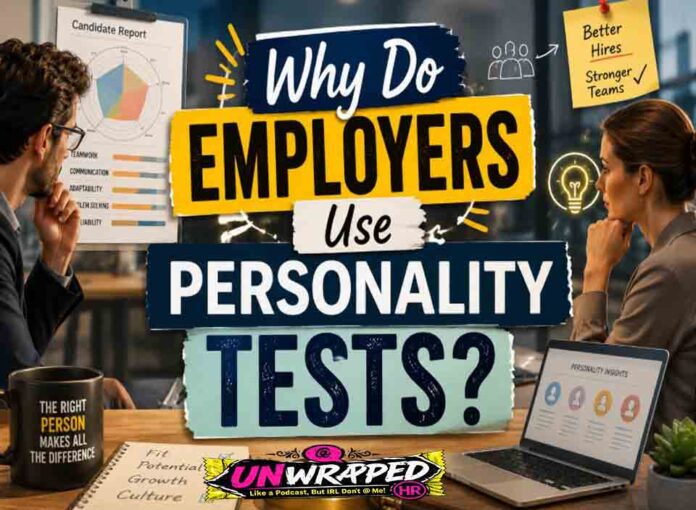
Hiring someone is no longer just about resumes, qualifications, or technical ability. Modern employers want to understand how a person thinks, communicates, solves problems, and fits within a team. That’s one of the biggest reasons personality tests have become a major part of recruitment across industries.
From large corporations to growing startups, companies increasingly use personality assessments to predict workplace behavior and improve hiring decisions. Many organizations now include behavioral and personality evaluations as part of their recruitment strategy because they provide insights that resumes alone cannot reveal.
Personality testing has shifted from a niche hiring trend into a mainstream business tool. Employers are not simply searching for the “smartest” candidate anymore. They are searching for the right fit.
How Personality Tests Help Employers Make Better Hiring Decisions
A candidate may have impressive credentials but still struggle in a specific work environment. Personality tests help employers identify how individuals naturally respond to pressure, teamwork, leadership, deadlines, and communication.
For example, someone applying for a fast-paced sales role may thrive if they naturally enjoy social interaction and quick decision-making. Meanwhile, analytical and detail-oriented personalities may perform better in technical or operational positions.
Many businesses use tools inspired by frameworks to better understand workplace tendencies.
Common goals employers have when using personality tests:
- Improve team compatibility
- Reduce employee turnover
- Identify leadership potential
- Understand communication styles
- Predict workplace behavior
- Build stronger company culture
The goal is not perfection. The goal is alignment.
Another Must-Read: The Difference Between Standards and Control
Personality Tests Reveal More Than Technical Skills
Technical ability can often be taught. Personality traits are usually more consistent over time.
This is why employers often prioritize qualities such as adaptability, emotional intelligence, resilience, and communication. A company may prefer hiring someone who fits the culture and collaborates well instead of someone highly skilled who creates conflict within the team.
Employees who communicate effectively and adapt to changing environments often outperform individuals who rely only on technical expertise.
Personality assessments can also reveal hidden strengths that may not appear during interviews. Quiet candidates may demonstrate strong strategic thinking, while highly energetic applicants may excel in leadership or customer-facing roles.
Why Employers Care About Workplace Culture
One of the biggest reasons companies use personality tests is cultural fit.
Every workplace develops its own environment, expectations, and communication style. Some companies value structure and precision. Others thrive on creativity, independence, and fast decision-making.
When someone’s personality strongly clashes with the work environment, productivity and morale can suffer. Employers use assessments to reduce that risk.
For example:
- Highly independent personalities may struggle in heavily supervised environments
- Collaborative personalities may dislike isolated roles
- Risk-taking individuals may thrive in innovation-focused companies
- Routine-driven personalities may prefer structured workflows
Understanding these differences helps employers build balanced teams instead of randomly mixing incompatible work styles.
Are Personality Tests Always Accurate?
Personality tests are useful, but they are not flawless.
Human behavior changes depending on stress, experience, motivation, and environment. That’s why most reputable companies do not rely entirely on personality assessments when hiring.
Instead, they combine personality insights with:
- Interviews
- Skills testing
- Work experience
- Reference checks
- Behavioral questions
The best employers use personality tests as one piece of a larger hiring process rather than a final judgment.
Personality is flexible and influenced by life experiences over time. Good hiring managers understand that personality assessments should guide decisions, not completely define them.
The Growing Popularity of Personality-Based Hiring
As workplaces become more collaborative and emotionally driven, employers increasingly recognize the importance of understanding human behavior.
Remote work, digital communication, and hybrid teams have also increased the demand for employees who communicate clearly and adapt well socially. Personality testing gives employers additional insight into how candidates may function in these evolving work environments.
Many companies now view hiring as a long-term relationship rather than a short-term transaction. Skills may get someone hired, but personality often determines whether they succeed long term.
Discover What Your Personality Says About You
Understanding personality is not only useful for employers. It can also help individuals discover career strengths, communication styles, leadership tendencies, and emotional patterns.
Want to explore your own personality type and behavioral patterns? Take the free assessment from Personality Peek and discover how your mind naturally works.
Conclusion
Personality tests have become an important part of modern hiring because employers want deeper insight into how people think, communicate, and work with others. Resumes may show experience, but personality assessments help reveal long-term compatibility and behavioral tendencies that affect workplace success.
The best companies understand that hiring is about more than qualifications alone. By combining personality insights with interviews and skills assessments, employers can create stronger teams, improve workplace culture, and make smarter hiring decisions that benefit both businesses and employees.