



Australia is a country where cars often do more than carry people to work. They handle school runs, beach weekends, road trips, camping holidays, long commutes, country roads, job sites, and the occasional gravel shortcut. That variety is part of the local lifestyle. Tourism Australia describes the Australian way of life as closely connected to the outdoors, and for many households the vehicle is what makes that lifestyle practical.
Because of that, wheel choice matters. Wheels shape the look of a car, but they also affect tyre options, comfort, clearance, load rating, and everyday usability. For beginners, the number of choices can be confusing. Diameter, width, offset, finish, construction, and fitment all sound technical, yet each one influences how a car feels and functions.
Understand What Wheels Actually Change
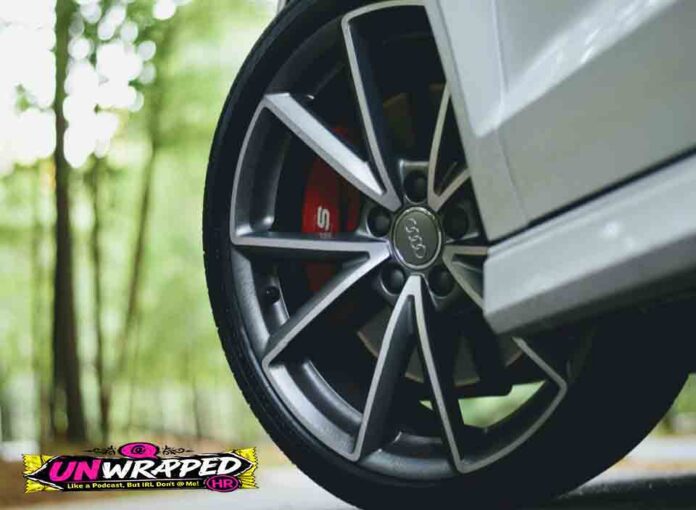
A wheel is not just a design piece. It determines what size and type of tyre can be fitted, how the car sits, and whether there is enough clearance around brakes, suspension, and guards. A larger wheel can create a sharper look, but it may require a lower profile tyre. That can improve steering feel on some vehicles, but it can also make the ride firmer on rough roads.
Drivers comparing wheels should start with the vehicle, not the catalog. AutoCraze offers wheels across many makes and models, with fitment support for drivers who want the right style, size, and package. A fitment adviser might say: “The best wheel is the one that suits the car and the driver. Looks matter, but the right size, offset, and tyre pairing are what make the upgrade work every day.”
For city cars, comfort and easy maintenance may be the priority. For SUVs and utes, load rating and tyre choice may matter more. For modified 4x4s, clearance and durability can become central. For performance cars, weight and handling may be more important than maximum size.
Choose for the Roads You Actually Drive
Australian roads are not all the same. Inner city streets, suburban arterials, coastal highways, regional roads, dirt tracks, and corrugated routes place different demands on a wheel and tyre setup. A driver who rarely leaves sealed roads may want a clean design and quiet tyres. A driver who heads to campsites or beaches may need something tougher and easier to pair with all terrain tyres.
This is where beginners should avoid copying a build without understanding the use case. A setup that looks perfect on a show car may not suit a daily driver that covers potholes, speed humps, and wet roads. A rugged 4×4 setup may look impressive, but it may be unnecessary for a car used mostly around town. The right choice should make the vehicle better for its real life role.
Finish also matters. Gloss black, satin black, bronze, silver, machined, and polished styles all create a different mood. Dark finishes can be forgiving on work vehicles and 4x4s, while machined finishes can give a more premium street look. The design should be easy enough to clean and inspect, especially if the car sees dust, mud, or brake dust.
Do Not Ignore Compliance and Safety
Wheel changes should be made with safety and compliance in mind. The Australian Design Rules provide national standards for road vehicles, while state and territory requirements can affect what modifications are permitted. Drivers should check rules around wheel track, tyre coverage, load rating, and speedometer accuracy before buying an aggressive setup.
The practical safety checks are just as important. The wheel must clear the brakes, sit correctly on the hub, use suitable nuts or bolts, and be matched with tyres that meet the vehicle’s load and speed requirements. Poor fitment can cause rubbing, vibration, uneven tyre wear, or handling problems.
Wheel alignment should also be checked after changes, especially when tyre size, offset, or suspension has changed. A fresh set of wheels can be undermined quickly if alignment is ignored. Uneven tyre wear is expensive, and poor handling can reduce driver confidence.
Think Long Term Before You Buy
A good wheel upgrade should still make sense two years later. That means thinking about tyre replacement cost, spare wheel compatibility, future suspension plans, resale appeal, and how much maintenance the finish will need. The cheapest option is not always the best value if it limits tyre choice or creates problems later.
Beginners should also consider whether they want a complete wheel and tyre package. Buying the two together can make fitment easier because the tyre size, wheel size, and vehicle application are checked as a package. It can also simplify shipping and installation.
The best wheel choice is rarely the most extreme one. It is the one that gives the vehicle a better stance, supports the right tyres, suits local roads, and fits the owner’s lifestyle. When drivers treat wheels as both a style decision and a practical upgrade, they are far more likely to enjoy the result every day.