

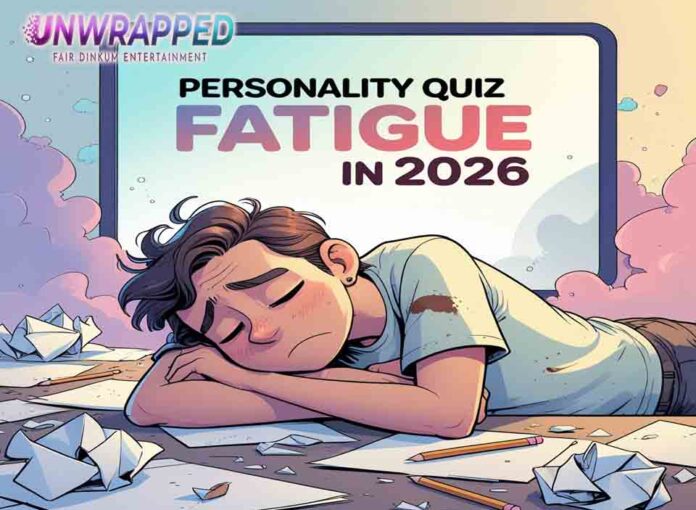
There was a time when online personality quizzes—“Which Myers–Briggs Type Are You?” or “What’s Your Stress Personality?”—felt endlessly fun, shareable and fresh. Today though, many people sense a kind of quiz fatigue: they’ve taken dozens of similar tests, seen repetitive results, and begun to wonder if these quizzes are truly meaningful. The novelty has worn off, and the market is calling out for evolution.
In 2026, the landscape of personality assessments is shifting. As audiences become more discerning and the data‑privacy climate intensifies, the next generation of personality tests is being designed very differently—with deeper insight, fewer questions, dynamic formats and richer value. This article explores why quiz fatigue has set in, how the underlying technology and design are adapting, and what creators and users should expect in the years ahead.
Why Personality Quiz Fatigue Is Real and Growing
Over‑saturation and diminished novelty
One of the key drivers of fatigue is sheer volume. From lifestyle blogs to social media, quizzes like “What Hogwarts House Are You?” or “Which Enneagram Type Matches You?” have proliferated. What once felt fresh now often reads as predictable. Because many tests recycle the same types and labels, individuals end up feeling seen the movie before. This diminishes engagement and trust.
Long tests, repetitive formats, weak insight
Studies in psychometrics show that long tests can induce respondent fatigue, reducing accuracy and drop‑out rates. One analysis found that time‑on‑task and fatigue significantly affect responses when tests are long or unwieldy.
Trust, privacy and expectation mismatch
As personality tests matured, users started demanding more than a fun share‑card—they want meaningful feedback, credible insight, and actionable take‑aways. Crucially, data‑privacy concerns have also mounted. Quizzes often collect personal information, user‑choices and behavioral data—but transparency is inconsistent. When the promise of self‑discovery isn’t matched by product, fatigue deepens.
What the Next Generation of Personality Tests Will Do Differently in 2026
1. Shorter, smarter and micro‑questions
Expect a shift from 20+ minute quizzes to dynamic formats with 10–12 powerful items that adapt in real‑time. By using branching logic, tests can ask fewer questions yet derive stronger insight, a design principle supported by adaptive testing research. The outcome: less time, less fatigue, higher value.
2. Adaptive and real‑time interaction
Rather than a linear “question → result” model, 2026’s personality tests will feature interactive flows: the user’s answer changes the next question, visuals adapt, and results evolve live. Gamification, micro‑animations and feedback loops enhance engagement. This aligns with broader digital‑content trends spotlighting immersive, participatory experiences.
3. Deep‑value feedback, not just a type‑label
Instead of giving a letter‑code or one‑size‑fits‑all summary, new quizzes will offer contextualized insight: how the user’s style plays out in work, relationships, learning, stress‑zones and growth‑areas. For example: “You lead with intuitive thinking and under pressure default to sensing behavior—here are three habits to reset.” This deeper link is what differentiates fatigue‑causing quizzes from transformative ones.
4. Cross‑platform, integrated, data‑rich
Personality tests will increasingly live across devices and channels—mobile apps, web widgets, social stories, even chatbots. Data collected can feed into ongoing user journeys: follow‑up mini‑assessments, micro‑learning modules, personalized coaching. In short: personality testing becomes a platform, not one and done.
5. Privacy‑forward and transparent design
Due to growing regulatory and ethical scrutiny, the next generation will emphasize minimal data collection, explicit user consent, transparent scoring logic and visible value exchange. Ethical design will distinguish credible tests from superficial “clickbait” quizzes.
See Also: How to Build Your Own Jung-based Personality Quiz (No Code, 2026 Edition)
How Users and Creators Should Prepare for 2026’s Quiz Evolution
For users: expect and demand more
Look for quizzes that explain their methodology, show what data is collected and how results will be used.
Prioritize tests that go beyond fun labels and offer actionable insights (growth tips, follow‑up resources, context for results).
Be cautious with quizzes that are long, generic and share‑only oriented—they’re at higher risk of accuracy drop and fatigue.
For creators: test design best‑practices
Use adaptive question flows to reduce length and improve precision—each question should build insight, not just fill space.
Prioritise quality over quantity—better to ask 10‑12 strong questions than 30 weak ones.
Design results as growth‑tools not just labels: include tips, next‑steps, scenarios and visuals.
Integrate cross‑channel delivery and follow‑ups: immediate result → optional deeper dive → email or app nurture.
Implement data transparency: explain what’s asked, what’s stored, and how users benefit. Minimize personally identifiable data if not needed.
Emerging Trends & Predictions for 2026
Personality Meets Behavior Analytics
In 2026, personality quizzes won’t just ask questions—they’ll combine behavioral data, digital interaction patterns and micro‑moments. For example, a quiz embedded in an app might use time‑to‑answer, choice patterns and follow‑up micro‑tasks to produce a richer personality profile.
Purpose‑Driven, Not Just Entertainment
Rather than purely entertaining, tests will link to purpose‑driven journeys: leadership growth, wellness programs, team‑fitness matching, career pivot paths. The value lies in what happens after the quiz, not just the result.
Visual and Immersive Formats
Quizzes will embed AR, short‑video prompts, slider‑interactions and share‑friendly visuals. Think: “Pick the scene you’d step into” rather than “Choose A or B.” These richer formats increase engagement and reduce drop‑off.
Micro‑Quizzes and Micro‑Insights
Instead of one long quiz, users may engage in micro‑assessments—5‑question bursts triggered at moments of need (e.g., “Quick stress‑response check”). These fit busy lives, reduce fatigue and build ongoing engagement through repeated use.
Call‑to‑Action
If you’re a quiz‑creator: review your current personality‑assessment offering—can you reduce length, increase adaptability and clearly show user value? If you’re a user: next time you take a personality quiz, look for how it uses your results—does it offer concrete next steps, or just a label to share? Share this article with friends or peers who’ve “had enough of quizzes that don’t deliver” and subscribe for updates on the newest interactive‑assessment trends coming in 2026.
Conclusion
Personality quiz fatigue is no longer a minor annoyance—it’s a signal that the market is ready for something deeper, smarter and more meaningful. In 2026, the next generation of tests will evolve: they’ll be shorter, smarter, more interactive, and rooted in genuine insight rather than click‑bait moments.
The key takeaway? Whether creating or taking quizzes, shift the lens from “Which type am I?” to “What can I do with this insight?”. When personality assessments become tools for growth, context, engagement and action—not just labels—they’ll overcome quiz fatigue and provide real value in the years ahead.
People Also Love: What the Big Five Personality Test Predicts About Your 2026 Relationships