

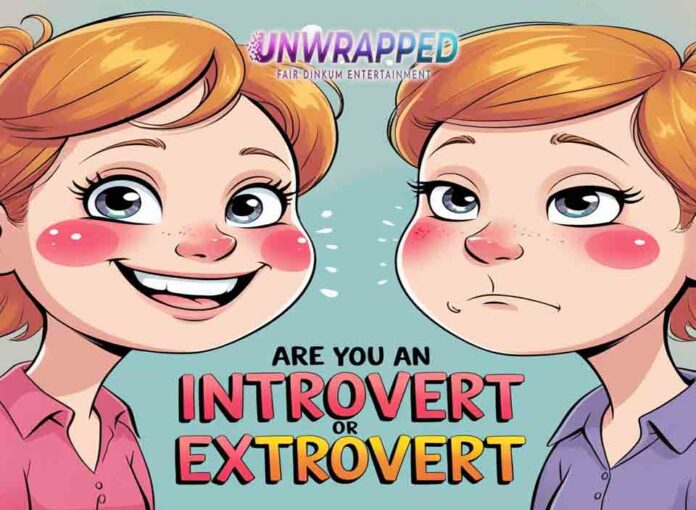
Even decades after its popularization, the simple question, “Are you an introvert or extrovert?”, remains one of the most enduring and widely used self-assessment tools in personality psychology. The dichotomy stems from Carl Gustav Jung’s early frameworks of psychological types and has since evolved into mainstream insight about how individuals gain and expend energy, prefer interaction styles and engage with the world around them.
In 2026, the value of this quiz remains remarkably high. With hybrid working, digital overload, globalized teams and changing social norms, understanding whether one draws energy from external stimulation (extroversion) or internal reflection (introversion) is still deeply relevant. This article explores why the introvert-extrovert framework continues to resonate today, how the quiz adapts to modern-work and social contexts, and how to apply its results meaningfully for self-growth, team dynamics and career development.
Why the Introvert-Extrovert Quiz Still Holds Value
Energy dynamics: a timeless distinction
One of the key insights about introversion and extroversion is how people recharge and where they draw stimulation. According to research, extroverts tend to allocate more attentional resources to social stimuli—faces, interaction, external cues—while introverts may engage differently with their environment.
This basic – but powerful – distinction remains meaningful in 2026. In an age of endless online meetings, push notifications, hybrid-team blur and remote collaboration, knowing whether one needs solitude or thrives on interaction helps tailor how they organize work, recover after intense sessions and manage energy.
Simplicity meets complexity
While the introvert/extrovert quiz is often criticized for oversimplification, it remains useful precisely because of its accessibility. Many newer personality frameworks are complicated, expensive or time-consuming. The introvert-extrovert quiz, by contrast, offers a fast, relatable entry-point into self-understanding.
In 2026’s fast-moving environment, this simplicity is its strength. But its value is amplified when integrated with deeper insight: recognizing where a person lies on the continuum, how context influences expression and how this dimension plays out in evolving social and work norms.
See Also: How to Create a Personality Quiz Based on Jung’s 8 Functions (2026 Version)
What the Research Says: Introversion & Extroversion in Today’s World
Spectrum rather than binary
Modern psychology agrees introversion and extroversion are not black-and-white categories, but a spectrum. Most people fall somewhere in between (the “ambivert” category) and may shift preferences depending on context.
Understanding that the quiz result is a position on a gradient, rather than a fixed label, makes the tool more flexible and relevant for 2026—where people shift roles, environments and contexts frequently.
Work and social-environment implications
Studies show that introverts and extroverts differ not just in energy dynamics but in communication style, decision-making, preference for stimulation and team interaction. For example, research in workplace communication found significant differences in how introverted and extroverted individuals engage and perform.
In hybrid-work, global collaboration and asynchronous routines, knowing one’s orientation helps shape how one participates in meetings, handles brainstorming sessions, builds network connections and recovers from interaction overload. For managers and teams, it helps design inclusive practices that respect both ends of the spectrum.
Why the Quiz Works in 2026: Key Contexts & Trends
Remote/hybrid work and energy economies
With more people working remotely, switching between digital channels, and managing fluctuating interaction patterns, the introvert/extrovert distinction is especially relevant. Someone who is extroverted might find remote work draining if interaction is limited; someone who is introverted might thrive in a quiet home-office but struggle with frequent urgent video calls.
Awareness of this dimension helps:
Set up workspaces suited to personality (quiet zones vs open collaboration)
Plan interaction recovery routines (solo work, unstructured time)
Match meeting formats to energy styles (some preferring small groups, others large)
Digital overstimulation and the value of reflection
The modern environment includes constant notifications, virtual meetings, instant messaging and multitasking. Introverts may feel “saturated” more quickly; extroverts may feel under-stimulated if digital interaction lacks social richness. The old quiz still works because it speaks to how people handle input and recovery, which remains a core career and life challenge in 2026.
Team-design, inclusion and diversity of working styles
As organizations emphasize behavioral diversity, remote-friendly collaboration and psychological safety, the introversion/extroversion axis offers a lens for team design and communication norms. Systems that favor extroversion (rapid-fire brainstorming, open-plan offices, high-interaction) may disadvantage introverted individuals. Recognizing this dynamic allows for more inclusive practices.
How to Use the Quiz Meaningfully (Not Just As a Label)
Interpret your result with nuance
When someone takes the quiz and finds they are “introverted” or “extroverted”, the next step is interpretation:
Identify the contexts: In which environments are you most comfortable? Which leave you drained?
Recognize variation: Are you closer to the “ambivert” middle? Do you shift depending on mood, role or setting?
Link to energy-management: How do you recharge? What interactions add vs deplete?
Turn insight into action
Here are practical applications in 2026:
For introverts: Plan solitary deep-work blocks; design recovery routines after meetings; negotiate meeting formats that allow reflection time.
For extroverts: Ensure virtual interaction includes meaningful connection, not just broadcast; schedule social-rich sessions and buffer recovery phases.
For teams: Mix formats—allow quiet ideation for introverts; lively group sessions for extroverts. Encourage all members to reflect on their energy-needs and communicate preferred working style.
For careers: If someone is extroverted, roles involving networking, facilitation, high-interaction may suit. If introverted, roles with independent work, deep thinking, less frequent required social energy may align.
Common Misconceptions & How to Avoid Them
“Introverts are always shy”: False. Introversion is more about energy and stimulation preference, not necessarily social fear or avoidance.
“Extroverts are always outgoing”: Also, false. An extrovert might be outgoing in social settings but still need meaningful connection to recharge.
“Once you take the quiz, that’s it”: Personality traits exist on a continuum and fluctuate. The quiz answer is a snapshot, not a lifetime label.
“Introvert = weak, extrovert = strong”: Both preferences have strengths and challenges. The digital era demands awareness of both internal and external processing.
Call-to-Action
If this article resonated, share it with a friend or colleague and ask them: “Do you feel more energized by time with others or time alone?” Leave a comment below with your quiz result—introvert, extrovert or somewhere in-between—and tell us how you’ll adjust your work or social routine based on it. Subscribe to receive more insights on personality, productivity and the future of work in 2026.
Conclusion
The question “Are you an introvert or extrovert?” is hardly old-fashioned—it’s deeply relevant in 2026’s dynamic and digitally-saturated world. The quiz remains effective because it taps into how individuals gain energy, process stimulation and prefer interaction, all of which shape how they navigate modern work, relationships and technology.
When interpreted thoughtfully, the result is more than a label—it becomes a tool for self-management, career alignment, team communication and purposeful work. In a world where roles, norms and environments evolve rapidly, understanding one’s orientation on the introversion-extroversion spectrum offers a stable touchpoint for designing daily routines, collaboration styles and personal growth.
People Also Love: Beyond MBTI: Emerging Personality Tests Gaining Traction in 2026