




For a long time, people treated online payments as something that happened in the background. You signed up, added a payment method, and trusted that things would work eventually. Delays were common enough that few questioned them.
That attitude has changed. Not suddenly, and not because of one major innovation, but through everyday comparison. People now move between platforms constantly. They notice when one service processes funds quickly while another takes days without clear explanation. Over time, those small differences shape expectations. Payment systems are no longer invisible. They are part of how users judge whether a platform feels modern or stuck in the past.
When Waiting Stopped Feeling Normal
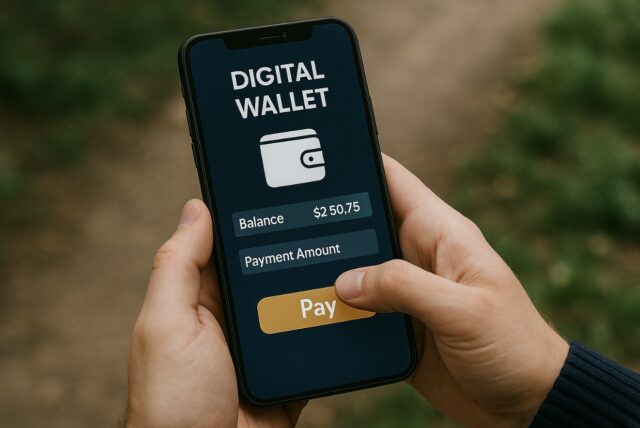
The tolerance for long waits did not disappear overnight, but it has steadily worn down. Daily digital life is built around immediacy. Messages arrive instantly. Purchases are confirmed in seconds. Even complex services now operate in real time. Against that backdrop, slow payments feel increasingly out of place.
What frustrates users most is not always the delay itself, but the uncertainty around it. Vague processing windows and unclear rules leave people guessing. A wait of three days feels longer when there is no explanation attached to it. This uncertainty erodes confidence far more than platforms often realize.
As a result, payment speed and clarity have become part of the decision-making process. People read reviews differently now. They pay attention to payment experiences shared by others. The question is no longer just whether a service works, but how smoothly money moves once it does.
Why Alternative Systems Started Gaining Attention
As these frustrations accumulated, users began looking more closely at alternatives. Digital currencies did not enter the conversation as a replacement for everything else, but as a workaround to specific problems. Traditional systems often rely on intermediaries, set processing hours, and manual reviews. Digital currency transfers bypass many of those steps.
For users, this means fewer pauses and more visibility. Transactions are recorded clearly, timestamps are precise, and progress can be checked without waiting for updates from support teams. That sense of control has proven appealing, especially to people who value transparency over familiarity.
Over time, this has influenced how users compare platforms. Services that offer modern payment options tend to feel more aligned with current expectations. Those that rely solely on older systems can feel restrictive by comparison, even if their core service has not changed.
Payment Flexibility as a Sign of Platform Maturity
Today, payment flexibility is often read as a signal of how a platform operates behind the scenes. The more options available, the more it suggests that user needs were considered during development. It shows an awareness that different users prioritize different things, whether that is speed, oversight, or autonomy.
This shift explains why independent comparison content has become more influential. Rather than relying on marketing claims, users look for concrete examples of how payments actually work. In that context, mentions of Australian casinos that allow crypto withdrawals tend to appear as reference points, rather than promotions. They are cited because they demonstrate a broader shift in payment handling, not because of the industry they belong to.
What users take from these examples is not where they come from, but what they represent: faster processing, clearer rules, and fewer unnecessary obstacles.
Transparency Matters as Much as Speed
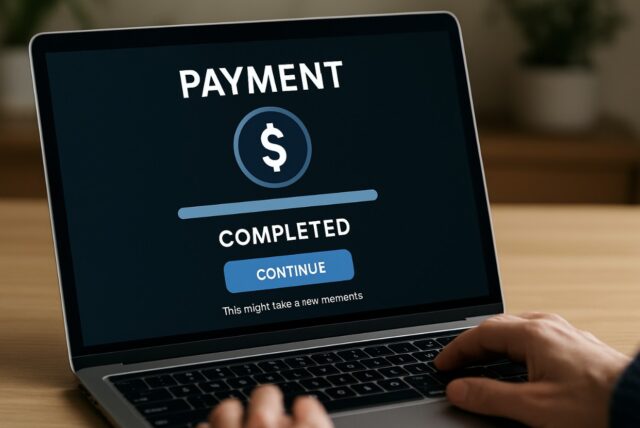
Speed alone is no longer enough. Users also expect transparency. Hidden fees, unclear limits, and unexplained delays stand out quickly. When something goes wrong, people want to understand why, not just be told to wait.
This is where modern digital payment systems often perform better. Clear transaction histories and visible confirmation stages reduce anxiety. Even users with limited technical knowledge appreciate being able to see what is happening rather than relying on generic status messages.
Platforms that communicate payment processes clearly tend to build trust more easily. They face fewer disputes and fewer support requests, simply because users feel informed. Transparency has become a practical tool, not just a branding concept.
How Expectations Spill Into Every Sector
These changing standards do not stay contained within one type of service. Users carry expectations with them. If one platform offers near-instant access to funds, others are measured against that experience, regardless of purpose or industry.
This spillover effect explains why payment innovation often feels gradual. Each improvement raises the baseline. What once seemed impressive becomes ordinary. Platforms that fail to keep pace can feel outdated surprisingly quickly.
It also explains why payment systems now influence overall perception. A smooth withdrawal experience can outweigh minor shortcomings elsewhere. A frustrating one can undo an otherwise solid service.
Balancing Speed With Safety
Concerns about security have always shaped payment systems. Delays were often justified as protective measures. While security remains essential, users increasingly expect it to be integrated without unnecessary friction.
Modern platforms rely more on real-time monitoring and behavioral analysis rather than blanket slowdowns. Low-risk transactions move quickly, while unusual activity triggers additional checks. This approach feels more proportional to users and less punishing.
Digital currency tools helped popularize this model by showing that speed and oversight do not have to conflict. When designed properly, systems can protect users without making them feel restricted.
Where Expectations Are Heading
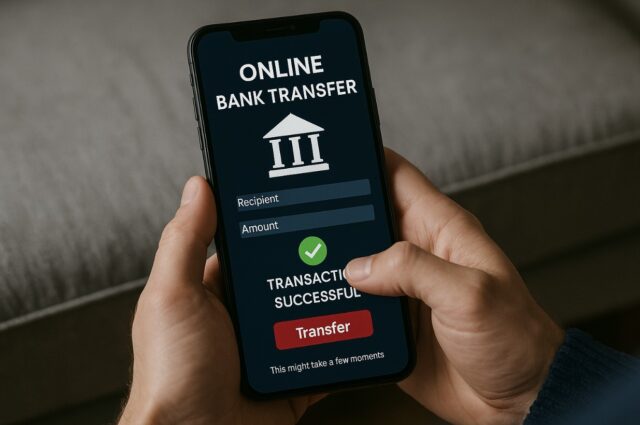
There is little reason to believe these expectations will soften. If anything, they are likely to rise. As technology advances, users recalibrate what feels acceptable. Waiting days for access to funds already feels outdated to many. For younger users, it barely makes sense at all.
At the same time, people are better informed. They compare platforms more easily and understand that alternatives exist. That awareness pressures services to adapt, whether they want to or not.
A Shift That Happened Quietly
What stands out most is how subtle this change has been. There was no clear turning point. Expectations shifted through experience. Each fast transaction resets assumptions. Each unexplained delay felt heavier than the last.
Payment systems now carry more meaning than before. They signal how a platform values time, clarity, and user autonomy. In many cases, they influence trust more than design or messaging ever could. The evolution may have happened quietly, but its effects are now firmly in place.