

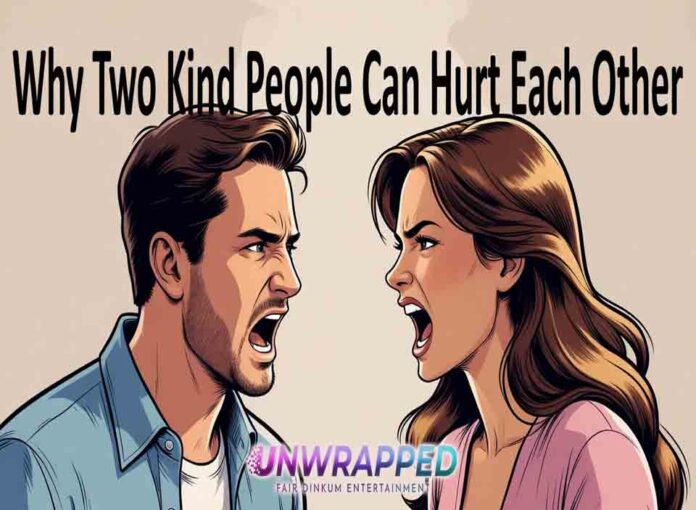
It’s one of the most confusing experiences in relationships: two people who genuinely care end up hurting each other anyway. There’s no villain, no cruelty, no obvious malice—just pain that seems to appear out of nowhere. Friends drift apart. Partners wound each other with words they didn’t mean. Colleagues with mutual respect end up resentful and exhausted.
Psychology offers a sobering truth: kindness alone does not prevent harm. Good intentions matter, but they are not the same as good outcomes. Understanding why kind people can still hurt each other requires looking beneath behavior—into expectations, communication styles, nervous systems, and unspoken assumptions that quietly collide.
Kindness Is an Intention, Not a Skill Set
Being Kind Doesn’t Equal Being Skilled
Kindness describes motivation, not execution. A person can care deeply and still lack the skills needed for clear communication, boundary-setting, or emotional regulation. Many interpersonal conflicts arise not from bad intent, but from skill gaps under stress.
Caring tells someone what they want. Skills determine what actually happens.
Emotional Impact Operates Independently of Intent
A kind remark delivered at the wrong moment can sting. A helpful action done without consent can feel intrusive. Emotional impact depends on timing, context, and perception—not just motive.
This is why people can say, honestly, “I meant well,” and still be right—and still have caused harm.
See Also: The Problem With Calling People “Toxic”
Different Needs, Same Goodwill
When Care Is Expressed in Different Languages
People often give care in the way they prefer to receive it. One person shows love through problem-solving; another wants empathy. One values reassurance; another values autonomy. When these styles clash, both parties may feel unseen despite trying their best.
Relationship psychology consistently shows that misaligned care styles are a major source of accidental hurt—even between kind people.
Assumptions Replace Curiosity
Kind people often assume shared values mean shared needs. This shortcut saves effort but increases misunderstanding. Curiosity—asking rather than assuming—is what prevents care from becoming misfire.
Boundaries Are Often Missing, Not Malice
Kindness Without Boundaries Creates Confusion
When kind people avoid boundaries to stay agreeable, resentment builds quietly. One person over-gives. The other unknowingly over-receives. Eventually, both feel hurt—one from depletion, the other from sudden withdrawal.
Boundaries aren’t barriers to kindness; they are instructions for how kindness should land.
Unspoken Expectations Become Invisible Traps
Many kind people hold expectations they never voice, believing “if they cared, they’d know.” When those expectations aren’t met, disappointment feels personal. Behavioral psychology research shows that unmet, unspoken expectations are among the most common sources of relational pain.
Emotional Triggers Don’t Check for Good Intentions
Old Wounds React to New Situations
A harmless comment can activate past experiences—rejection, criticism, abandonment. The nervous system reacts faster than reason. Neuroscience research shows that emotional memory can override present-moment logic.
In these moments, kind people may hurt each other without understanding why the reaction was so strong.
Defensiveness Is a Protective Reflex
When triggered, people defend—not because they want to attack, but because they want safety. The other person experiences this defense as coldness or aggression. Neither intended harm, yet both feel it.
Communication Styles Can Clash Even With Care
Honesty vs Harmony
One kind person values direct honesty; another values emotional cushioning. The honest one feels responsible for truth. The gentle one feels responsible for feelings. Without translation, honesty feels harsh and gentleness feels evasive.
Organizational and relationship research shows that style mismatch, not lack of care, often fuels conflict.
Silence Can Hurt as Much as Words
Some people go quiet to prevent conflict. Others experience silence as abandonment. When these styles meet, both feel hurt for opposite reasons—one trying to protect, the other longing for connection.
Why Repair Is Harder Than Harm
Shame Interrupts Repair
When kind people realize they’ve hurt someone, shame often replaces curiosity. Instead of asking how can I repair?, they retreat into I didn’t mean that. This defensiveness stalls healing.
Apologies Get Tangled in Intent
Statements like “I didn’t mean to hurt you” explain intent but don’t address impact. Research on conflict repair shows that effective apologies focus on what landed, not what was intended.
People Also Love: What It Means to Have a Strong Sense of Self
What Actually Helps Kind People Hurt Each Other Less
Name Patterns, Not Character
Shift from “you always” to “when this happens.” Patterns can change; character attacks shut people down.
Translate Care Explicitly
Kindness works better when it’s clear:
“When you try to fix things, I need empathy first.”
“When you go quiet, I need reassurance.”
Clarity protects goodwill.
Practice Repair as a Skill
Repair includes:
Naming impact without defending intent
Validating feelings without self-erasure
Adjusting behavior, not identity
The National Institute of Mental Health emphasizes that repair—not perfection—is what sustains healthy relationships.
Call to Action
If this article reflected a relationship you care about, share it with the intention of understanding—not blame. Start one small conversation this week focused on impact rather than intent, and consider subscribing or commenting to continue exploring psychology-backed insights into human connection.
Conclusion
Two kind people can hurt each other not because kindness failed—but because kindness alone isn’t enough. Without boundaries, translation, and repair skills, good intentions collide with unspoken needs and old wounds. The harm is real, even when no one meant it.
Understanding this doesn’t excuse pain—but it makes healing possible. When kindness is paired with clarity, curiosity, and accountability, relationships stop turning care into injury—and start turning it into connection.
Another Must-Read: What “Self-Awareness” Really Looks Like in Real Life