
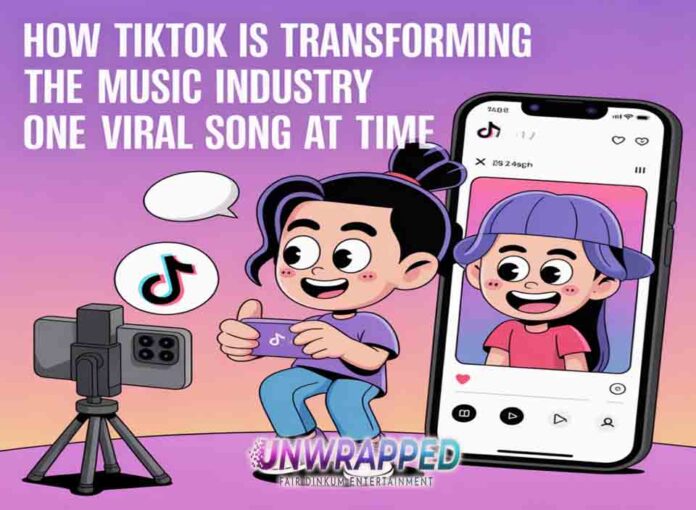
A decade ago, radio airplay and record label backing decided which songs reached the masses. Today, a 15-second clip filmed in a bedroom can launch a global hit. TikTok has quietly—but decisively—rewired how music is discovered, promoted, and monetized, shifting power away from traditional gatekeepers and toward audiences themselves.
What makes TikTok different is not just its scale, but its feedback speed. Songs are no longer tested over months; they are accepted or rejected in days. This article explores how TikTok is transforming the music industry one viral song at a time, why this shift matters, and what it means for artists, labels, and listeners moving forward.
The Death of the Traditional Discovery Funnel
For decades, the music industry relied on a predictable path: labels pitched songs to radio, radio built familiarity, and charts followed. TikTok disrupted this sequence by inverting discovery.
Instead of hearing a full song first, users encounter a moment—a chorus, a beat drop, a lyric that fits a feeling. When that moment resonates, the algorithm amplifies it. Chart performance now often follows viral traction, not the other way around.
This has turned discovery into a bottom-up process, driven by users rather than executives.
See Also: New Music Tech 2026: The Latest Plugins and Tools You Need to Try
How the Algorithm Replaced the A&R Department
TikTok’s recommendation engine doesn’t care about genre prestige, label size, or artist history. It rewards engagement density—how quickly and intensely people react.
This has effectively outsourced artist scouting to millions of users. When a sound gains traction:
Labels notice spikes in Shazam searches
Streaming platforms detect unusual replay behavior
Artists see sudden follower surges
Major labels now openly monitor TikTok trends, which highlights short-form video as a primary driver of new artist discovery.
The Rise of the “Moment Song”
TikTok favors songs that work in fragments, not necessarily full compositions. This has reshaped songwriting itself.
Producers increasingly optimize for:
A strong hook within the first 10–20 seconds
Lyrics that pair easily with visual storytelling
Beats that loop cleanly
This does not mean musical quality has declined. It means structure has adapted. Viral success now often begins with one emotional or rhythmic spike that invites reuse, remixing, and reinterpretation.
Artists No Longer Need Permission to Break Through
Before TikTok, unsigned artists struggled to reach scale without industry backing. Today, virality can precede contracts—or replace them entirely.
Artists like Lil Nas X and Olivia Rodrigo demonstrated how TikTok momentum can translate into mainstream success.
This shift has:
Lowered entry barriers
Reduced dependence on traditional marketing budgets
Given artists leverage in label negotiations
In some cases, artists now build demand first and choose partners later.
Labels Are Adapting, Not Disappearing
Despite early fears, TikTok has not made record labels obsolete. Instead, it has forced them to evolve.
Labels now focus on:
Data interpretation rather than pure intuition
Rapid-response marketing once a sound trends
Cross-platform amplification (Spotify, YouTube, radio)
TikTok-driven songs often experience accelerated streaming growth once playlists and algorithms align.
The label role has shifted from gatekeeper to scaling engine.
The Shorter Attention Economy
TikTok has also changed how audiences listen. Songs are often encountered hundreds of times before listeners hear them in full. Familiarity now precedes intention.
This has led to:
Faster chart cycles
Shorter hit lifespans
Higher pressure to sustain relevance after virality
Some artists struggle when a viral moment fades. Others use it as a launchpad for deeper catalogs. The difference often lies in post-viral strategy, not the initial hit.
Genre Lines Are Blurring Faster Than Ever
TikTok thrives on mood, not categories. As a result, genre boundaries matter less than emotional fit.
Pop blends with country. Indie crosses into hip-hop. Nostalgic tracks resurface decades later. This fluidity has expanded what “mainstream” sounds like—and who gets included.
People Also Love: 10 Smart Ways Musicians Make Money Online
Monetization Is Catching Up to Virality
While exposure comes quickly, monetization has lagged behind. A viral song does not automatically translate to income.
However, the industry is adjusting:
Streaming platforms now track TikTok-linked engagement
Licensing deals increasingly factor social usage
Artists leverage virality into touring, merch, and brand deals
TikTok’s growing licensing agreements signal a push toward more sustainable creator compensation.
Call to Action
If this article sparked new insights, share it with a musician, creator, or industry professional navigating today’s music landscape. Join the conversation by commenting on whether TikTok has helped or hurt how new music is discovered—and subscribe for more deep dives into culture, psychology, and digital shifts.
Wrapping Up
TikTok has not merely added a new promotional channel to the music industry—it has redefined how relevance is created. Discovery now happens in seconds, not seasons. Power flows upward from audiences, not downward from institutions.
As viral songs continue to shape charts, careers, and creative decisions, the industry’s future belongs to those who understand this new rhythm. TikTok didn’t change music by accident. It changed it by changing who decides what matters.
Another Must-Read: The Rise of Micro-Genres: How Tiny Music Movements Are Reshaping Global Sound