


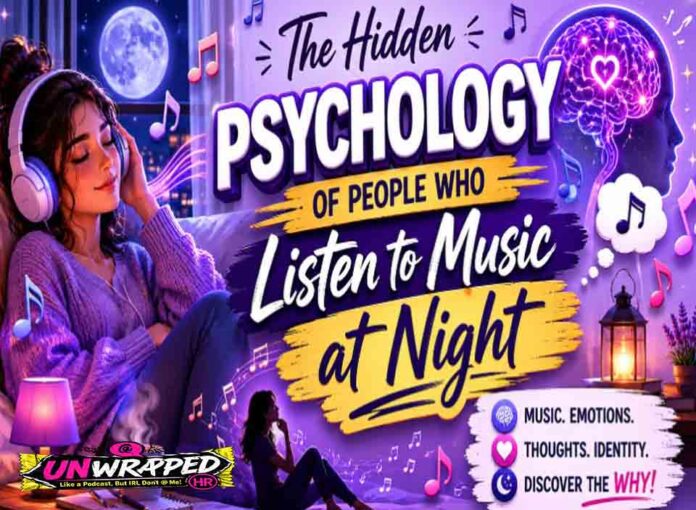
The Hidden Psychology Behind Late-Night Music Listening
There is something emotionally different about music at night.
The same song that feels ordinary during the afternoon can suddenly feel deeply personal after midnight. Thoughts become louder. Emotions become clearer. Lyrics feel more direct. For many people, nighttime listening is not just entertainment — it becomes emotional processing, self-reflection, comfort, or even escape.
Psychologists have long observed that people connect to music differently depending on mood, environment, and mental state. At night, external distractions become quieter, which often allows emotions and internal thoughts to rise more strongly to the surface.
This is why so many people instinctively reach for headphones late at night.
Why Music Feels More Intense at Night
Nighttime changes emotional awareness. The brain becomes less occupied with social pressure, work tasks, notifications, and constant movement. Without those distractions, people become more emotionally receptive.
Late-night listeners often experience:
- Stronger emotional reactions to lyrics
- Increased nostalgia
- Deeper introspection
- Heightened imagination
- Greater emotional vulnerability
Music begins filling emotional spaces that daytime activity usually hides.
For some personalities, nighttime music becomes a safe emotional environment where feelings can exist without interruption or judgment.
The Personality Types Most Drawn to Night Listening
Certain personality patterns are more likely to form strong emotional habits around nighttime music.
- Reflective Personalities
People who naturally overthink or analyze life often use music to organize emotions mentally. Slow nighttime listening gives them space to process thoughts privately.
- Emotionally Sensitive Personalities
Highly empathetic or emotionally aware individuals often connect deeply to atmosphere, melody, and lyrical meaning. Music becomes emotional companionship.
- Independent Personalities
Some people use nighttime music as a form of personal space. It creates distance from social pressure while strengthening internal identity and imagination.
- Creative Personalities
Artists, writers, dreamers, and imaginative thinkers often feel mentally “awake” late at night. Music helps stimulate ideas, emotions, and internal storytelling.
Why Sad Music Often Feels Comforting
One of the most misunderstood parts of music psychology is why people intentionally listen to sad songs when they already feel emotional.
Surprisingly, sad music does not always increase sadness. Often, it creates emotional validation.
It tells listeners:
- “Someone else has felt this too.”
- “This emotion exists outside of me.”
- “This feeling can be understood.”
For emotionally intense personalities, sad music can feel calming rather than harmful because it transforms loneliness into connection.
The Link Between Night Music and Identity
Music taste often reflects hidden parts of personality. Late-night listening habits can reveal:
- Emotional depth
- Nostalgia patterns
- Stress coping styles
- Romantic thinking
- Attachment tendencies
- Inner emotional needs
Some people replay the same songs repeatedly because those songs become emotionally attached to memories, identities, or stages of life.
Others constantly search for new music because they crave emotional novelty and stimulation.
Even music genre preferences sometimes reflect personality structure:
- Ambient music listeners often seek calm or mental escape
- Indie listeners may value emotional individuality
- Classical listeners often enjoy emotional complexity
- Lo-fi listeners frequently seek emotional regulation or focus
- Heavy music listeners sometimes use intensity to release pressure safely
Music becomes psychological language.
Another Must-Read: The Small Relationship Habits That Reveal Personality
Why Nighttime Creates Emotional Honesty
Many people suppress emotions during the day to stay productive, social, or functional. Night removes much of that performance.
This is why nighttime thoughts often become more honest.
Music amplifies this effect by slowing the mind enough for hidden emotions to surface. A person who seems emotionally detached during the day may suddenly feel deeply connected to memories, heartbreak, dreams, or loneliness through one late-night song.
This emotional openness is one reason nighttime playlists feel so personal.
The Difference Between Escaping and Processing
Not all nighttime music listening is unhealthy. In many cases, it becomes a healthy emotional ritual.
Music can help people:
- Decompress after stress
- Regulate emotions
- Reflect safely
- Feel understood
- Reduce loneliness
- Slow mental overstimulation
However, some personalities also use music to avoid reality completely. Constant emotional escape can sometimes reinforce isolation instead of helping emotional recovery.
The healthiest listeners usually balance emotional processing with real-world connection and action.
Why Some Songs Become “Life Soundtracks”
People rarely remember only the music itself. They remember who they were while listening to it.
A single song can become attached to:
- A breakup
- A lonely season
- A major life transition
- Falling in love
- Personal healing
- Identity discovery
Years later, hearing the same song instantly reconnects the brain to that emotional state.
This is why music often feels more powerful than ordinary memory.
Conclusion
Late-night music listening is rarely just background noise. For many personalities, it becomes emotional reflection, identity exploration, stress relief, and silent companionship.
The psychology behind nighttime listening reveals something important about human nature: people often feel most emotionally honest when the world becomes quiet enough to hear themselves clearly.
Music does not simply entertain people at night.
Sometimes, it helps them understand themselves.
Call to Action
Curious about the deeper emotional patterns behind your personality, habits, and inner world?
Take the FREE Personality Peek Quiz and discover your natural archetype today:
Personality Peek Free Starter Quiz