


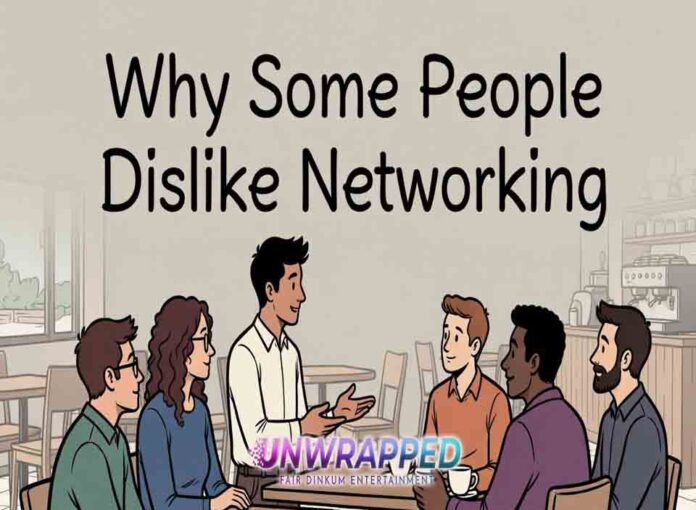
Networking is often presented as an essential skill for career growth, entrepreneurship, and professional success. From conferences to industry mixers, many professionals are encouraged to introduce themselves, exchange business cards, and build connections with as many people as possible. In theory, networking opens doors to opportunities, partnerships, and new ideas. Yet for a surprising number of people, networking feels uncomfortable, exhausting, or even unnatural.
This discomfort is not necessarily a sign of poor social skills or lack of ambition. In fact, many thoughtful, capable professionals simply prefer different ways of building relationships. Individuals vary widely in how they connect with others. While some thrive in high-energy networking environments, others prefer deeper, slower, and more authentic relationship-building methods.
Understanding why some people dislike networking—and what they prefer instead—reveals important insights about communication styles, workplace culture, and human connection.
What Networking Is Supposed to Do
Before exploring the reasons behind networking discomfort, it helps to understand why networking exists in professional environments.
Networking is designed to help people:
Share opportunities and resources
Expand professional visibility
Create collaborations across industries
Exchange knowledge and insights
Career research often highlights networking as a major factor in professional advancement. Professional connections can increase access to job opportunities and industry information.
However, the traditional form of networking—large events filled with rapid introductions—does not suit everyone’s communication style.
See Also: Why Some People Are Loud Leaders
Signals That Someone Dislikes Networking
1. Preference for Meaningful One-on-One Conversations
Many people who dislike networking do not dislike people. Instead, they prefer deeper interactions with fewer individuals.
These individuals tend to value conversations that include:
Personal insights and experiences
Thoughtful discussion about ideas
Genuine curiosity about the other person
Quick introductions and surface-level exchanges may feel unsatisfying. Deeper dialogue increases feelings of connection and trust more effectively than brief small talk.
For people who crave depth, traditional networking events may feel shallow rather than productive.
2. Discomfort With Transactional Relationships
Another reason some people avoid networking is that it can sometimes feel transactional.
Instead of authentic conversations, networking environments may emphasize:
“What do you do?”
“How can we help each other?”
“What opportunity might come from this meeting?”
While practical, this style of interaction can feel artificial. Many people prefer relationships that develop organically rather than through strategic exchanges.
For them, connection works best when shared interests and trust develop naturally.
3. Energy Drain in Large Social Settings
Networking events often involve crowded rooms, constant introductions, and rapid conversation shifts. For many individuals—especially reflective personalities—this environment can be mentally draining.
Signs of this pattern include:
Feeling exhausted after large social gatherings
Needing time alone to recharge after events
Preferring smaller groups or quiet discussions
Introverted individuals often thrive in environments that allow focus and depth rather than constant stimulation.
Disliking networking does not mean lacking communication skills—it may simply reflect a different energy pattern.

4. Focus on Work Over Self-Promotion
Some professionals feel uncomfortable promoting themselves in networking situations.
Instead of discussing accomplishments or pitching ideas, they prefer to let their work speak for itself.
These individuals often:
Concentrate deeply on their craft
Build reputation through results
Value expertise over visibility
Many highly skilled professionals advance primarily through demonstrated competence rather than aggressive self-promotion.
For these individuals, networking may feel unnecessary or forced.
5. Preference for Long-Term Relationship Building
Rather than collecting contacts, some people prefer slow, meaningful relationship development.
Their approach often includes:
Repeated interactions over time
Collaboration on shared projects
Trust built through consistency
Trust develops most effectively through repeated positive experiences rather than quick introductions.
Instead of networking widely, these individuals connect deeply with a smaller circle.
What People Who Dislike Networking Prefer Instead
Interestingly, those who avoid traditional networking are not avoiding connection—they simply choose different pathways to build relationships.
Common alternatives include:
1. Collaborative Projects
Working together on meaningful tasks allows relationships to form naturally through shared goals.
Examples include:
Team initiatives
Research collaborations
Creative partnerships
Shared effort often creates stronger bonds than brief conversations.
2. Communities Built Around Shared Interests
Interest-based communities often feel more comfortable than formal networking events.
These communities might include:
Professional forums
Skill-based workshops
Online communities or discussion groups
People connect through common curiosity rather than structured introductions.
3. Thoughtful Digital Communication
Some individuals prefer written communication over spontaneous conversation.
Platforms such as professional blogs, thoughtful emails, or knowledge-sharing platforms allow people to demonstrate expertise and engage at a deeper level.
Publishing ideas or contributing knowledge can build professional visibility without traditional networking.
4. Mentorship and Learning Relationships
Many professionals prefer building connections through learning environments.
These relationships often develop through:
Mentorship programs
Professional development groups
Educational events
In these settings, conversations revolve around growth and insight rather than self-promotion.
Rethinking the Meaning of Networking
The traditional definition of networking may be too narrow. Instead of viewing networking as a series of brief introductions, it can be reframed as relationship building through shared value.
For some people, this happens through:
Collaboration
Curiosity-driven conversation
Long-term partnerships
Community participation
When networking is understood as mutual learning and contribution, it becomes more inclusive of different personality styles.
People Also Love: Why Some People Are Loud Leaders
Conclusion
Networking has long been promoted as the primary path to professional success, yet the reality is far more nuanced. While some people thrive in fast-paced networking environments, others find these settings uncomfortable or unproductive. Their discomfort often stems not from a lack of social ability but from a preference for deeper, more authentic ways of building relationships.
Fortunately, meaningful connections can develop in many different ways. Collaborative work, shared interests, mentorship, and thoughtful communication often create stronger bonds than traditional networking events. When professional relationships grow through genuine curiosity and mutual respect, they tend to last longer and produce more meaningful opportunities.
Call to Action
Does traditional networking feel uncomfortable or forced?
Consider exploring alternative ways of building professional relationships—through collaboration, shared learning, or community involvement. If this article resonated, share it with colleagues or friends and start a conversation about the different ways people connect in the modern workplace. Understanding these differences can help create more inclusive and authentic professional environments.
Another Must-Read: Are You Dramatic — or Just Unheard?