


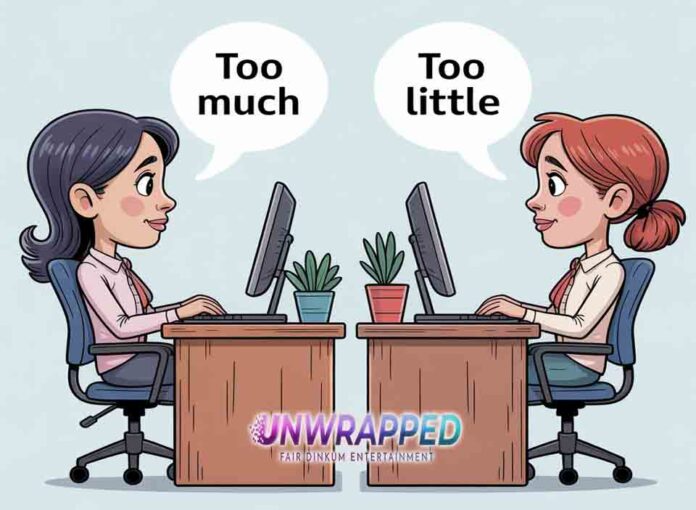
Human experience exists on a spectrum. Some people feel every emotion intensely, overwhelmed by joy, sadness, or anxiety, while others seem to glide through life with muted responses. This contrast is not simply a matter of personality—it is rooted in biology, psychology, and social conditioning. Understanding why some individuals feel “too much” and others feel “too little” sheds light on emotional processing, resilience, and mental health.
These differences influence relationships, work performance, creativity, and decision-making. By examining the underlying causes—ranging from neurological wiring to childhood environment and societal expectations—we can better appreciate the diversity of emotional experience. Awareness of these differences also opens pathways to balance, self-compassion, and effective communication.
The Biology of Emotional Sensitivity
Nervous System Differences
The way people process emotions is partly biological. Highly sensitive individuals have more reactive nervous systems, which amplify both external stimuli and internal thoughts. Heightened activity in the amygdala and prefrontal cortex contributes to feeling “too much,” making emotions feel intense, immediate, and sometimes overwhelming.
Conversely, those who feel “too little” often have less reactive neural circuits. Their brains process stimuli in a dampened way, which can protect against emotional overload but may also limit their ability to connect deeply with experiences.
Neurotransmitters and Emotional Range
Dopamine, serotonin, and norepinephrine play a critical role in emotional reactivity. Research explains that variations in neurotransmitter sensitivity can create wide differences in how pleasure, anxiety, or sadness are experienced. Individuals with heightened dopamine sensitivity may feel euphoric highs more strongly, while lower sensitivity can lead to emotional blunting.
See Also: Why Some People Need Routine to Feel Free
Childhood and Environmental Influences
Early Emotional Conditioning
Childhood shapes emotional wiring. Children raised in chaotic, neglectful, or highly critical environments may develop dampened emotional responses to protect themselves. Meanwhile, children encouraged to express feelings may grow into adults who feel deeply and vividly.
Early attachment experiences influence how emotions are regulated, making some people prone to intense highs and lows and others to emotional restraint.
Modeling and Social Learning
Beyond parenting, social and cultural norms guide emotional expression. In cultures or families where restraint is valued, people may learn to “feel less” to maintain social harmony. In contrast, environments that reward expressive or dramatic behavior can foster “feeling too much” as a normative pattern.
Personality and Emotional Style
High Sensitivity and Intensity
Some individuals are naturally high in sensory-processing sensitivity, a trait associated with deeper emotional processing, empathy, and awareness. These individuals often notice subtleties that others miss, resulting in amplified emotional experience.
Low Sensitivity and Emotional Regulation
Others may have a naturally lower sensitivity, sometimes called emotional resilience or emotional damping. This can be adaptive, allowing them to handle stress without being easily overwhelmed. However, it may also make them appear detached or indifferent in social situations.

The Psychological Consequences
Feeling “Too Much”
Experiencing emotions intensely can be enriching but also exhausting. People who feel too much may struggle with anxiety, burnout, or overthinking. They may find themselves easily triggered by minor setbacks, conflicts, or sensory input. Emotional intensity can increase vulnerability to depression if not managed with self-care and boundaries.
Feeling “Too Little”
Feeling muted emotions can protect against stress but may limit engagement with life’s richness. Individuals who feel “too little” may struggle with motivation, intimacy, or creativity. They might appear stoic or unempathetic, which can complicate relationships and lead to social isolation.
Coping Strategies for Both Extremes
For High Sensitivity Individuals
Grounding Practices – Mindfulness, meditation, or deep breathing helps manage emotional flooding.
Boundaries and Self-Care – Limiting exposure to overwhelming environments preserves energy.
Journaling or Creative Expression – Channeling intense feelings into writing, art, or music transforms intensity into productivity.
For Low Sensitivity Individuals
Emotional Awareness Exercises – Practices like noting subtle feelings or body sensations improve emotional attunement.
Intentional Social Engagement – Participating in emotionally rich conversations strengthens empathy and connection.
Experiential Learning – Trying novel experiences helps stimulate emotional range and recognition.
Relationships and Emotional Mismatch
Understanding Emotional Partners
Differences in emotional intensity can challenge relationships. Highly sensitive individuals may perceive muted partners as uncaring, while low-sensitivity partners may feel overwhelmed by intense emotions. Awareness, communication, and empathy are key to bridging these gaps.
Balancing Extremes
Relationships and teams benefit when extremes are balanced. High-intensity individuals provide depth and insight, while low-intensity individuals bring stability and calm. This dynamic emphasizes emotional attunement and adaptation in long-term relational success.
People Also Love: Why Some People Chase Novelty and Then Feel Empty
Call to Action: Embrace Emotional Differences
Understanding why some people feel “too much” and others “too little” encourages compassion for oneself and others. Rather than trying to conform to a single emotional norm, people can leverage their natural emotional range for growth, connection, and creativity.
Share this article with friends, family, or colleagues who may struggle with emotional extremes. Subscribe for more insights on mental health, neuroscience, and personal development to navigate emotional diversity with understanding and balance.
Conclusion
Feeling “too much” or “too little” is neither inherently good nor bad. It is a reflection of biology, upbringing, personality, and social context. Emotional extremes carry both strengths and challenges, shaping experiences, relationships, and self-perception.
Awareness and intentional strategies allow individuals to harness their natural emotional tendencies. By embracing rather than suppressing extremes, people can cultivate resilience, empathy, and fulfillment, transforming perceived limitations into sources of insight, connection, and growth.
Another Must-Read: Why Some People Prefer Clear Answers Over Interesting Ones