



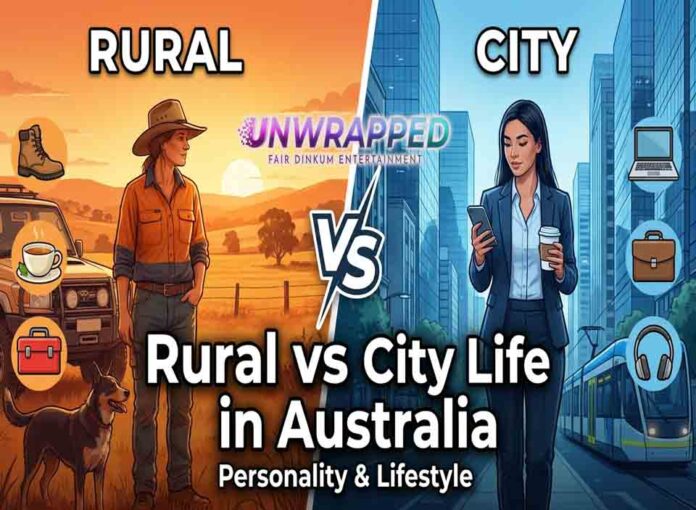
Australia has always offered two very different lifestyles: the fast-paced, opportunity-rich city life and the slower, space-filled rural experience. In 2026, that contrast is sharper than ever. With remote work rising, housing costs shifting, and lifestyle priorities evolving, more Australians are rethinking where—and how—they want to live.
The question is no longer just “city or country?” It’s about what kind of life actually fits modern needs. For some, it’s access, career growth, and energy. For others, it’s affordability, space, and balance. Understanding both sides is essential before deciding which path makes more sense in today’s environment.
Page Contents
Toggle1. Cost of Living: The Biggest Deciding Factor
One of the most noticeable differences between rural and city life in Australia is cost.
City Living:
Major cities like Sydney and Melbourne continue to rank among the most expensive places to live. Housing, transportation, and daily expenses add up quickly.
Rural Living:
Regional areas offer significantly lower costs:
- Cheaper housing
- Lower rent
- Reduced daily expenses
Regional living can reduce housing expenses by a substantial margin.
2. Job Opportunities and Career Growth
Cities:
Urban centers remain the hub for:
- Corporate jobs
- Creative industries
- Tech and startups
Cities provide:
- Faster career progression
- Networking opportunities
- Access to diverse industries
Rural Areas:
Rural regions focus more on:
- Agriculture
- Mining
- Local services
While opportunities exist, they are:
- More specialized
- Less varied
However, remote work is slowly bridging this gap.
See Also: Sydney Night-Time Activities: Where To Splurge & Where To Save
3. Lifestyle and Pace of Life
City Lifestyle:
Life in cities moves fast:
- Busy schedules
- Constant activity
- High social engagement
This appeals to people who thrive on:
- Energy
- Variety
- Convenience
Rural Lifestyle:
Rural living offers:
- Slower pace
- Less congestion
- More time outdoors
People often experience:
- Reduced stress
- Stronger connection to nature
- More personal space
In 2026, lifestyle preference is becoming just as important as income.
4. Housing and Space
City:
- Apartments and smaller homes dominate
- Limited outdoor space
- Higher competition for property
Rural:
- Larger homes
- More land
- Greater privacy
Regional property markets have seen increased demand as buyers prioritize space over location.
5. Access to Services and Convenience
Cities:
Urban areas provide unmatched access to:
- Healthcare facilities
- Education institutions
- Entertainment and dining
Everything is close, fast, and available.
Rural Areas:
While improving, rural regions may have:
- Limited healthcare access
- Fewer schools or universities
- Less variety in services
This trade-off is important for families and professionals.

6. Community and Social Connection
Rural Communities:
Smaller populations often lead to:
- Stronger community ties
- Familiar faces
- Local support networks
People tend to:
- Know their neighbors
- Participate in local events
Cities:
Cities offer:
- Diversity
- Larger social circles
- More anonymity
While connections exist, they often require more effort to maintain.
7. Remote Work Is Changing Everything
The rise of remote work is reshaping the rural vs city debate.
With more companies offering flexibility:
- Workers can live outside major cities
- Commutes become less important
- Lifestyle becomes a priority
This trend makes rural living more viable than ever before.
8. Education and Opportunities for Families
Cities:
- More schools and universities
- Access to specialized education
- Extracurricular activities
Rural Areas:
- Smaller class sizes
- Limited educational variety
- Fewer advanced programs
Families often weigh:
- Quality vs access
- Personal attention vs opportunity
9. Mental Health and Well-Being
Lifestyle directly impacts mental health.
Rural Benefits:
- Less noise and pollution
- More outdoor space
- Slower pace reduces stress
City Challenges:
- Higher stress levels
- Crowded environments
- Fast-paced routines
However, cities also provide:
- Better access to mental health services
Balance depends on individual needs.
10. Transportation and Mobility
Cities:
- Public transport systems
- Walkability
- Less reliance on cars
Rural:
- Limited public transport
- Heavy reliance on driving
- Longer travel distances
Convenience vs independence becomes a key consideration.
Call to Action
Choosing between rural and city life isn’t just practical—it’s personal.
💭 Consider lifestyle, career, and long-term goals.
📊 Research local trends before making a move.
🔁 Share this guide with someone considering a change.
The best decision comes from clarity—not assumptions.
Conclusion
In 2026, the choice between rural and city life in Australia is no longer one-size-fits-all. Cities still dominate in opportunity, access, and convenience, while rural areas offer space, affordability, and a slower pace.
The real difference lies in priorities. Some value career growth and social energy. Others prioritize balance, cost, and environment. Both options offer advantages—it’s about alignment with personal goals.
As remote work continues to evolve and regional development grows, the gap between rural and city living is narrowing. What once felt like a trade-off now feels like a choice between two equally valid lifestyles.
People Also Love: Australian Property Market Forecast 2026: Navigating a Divergent Landscape