


Some memories feel too small for a photo album and too personal for a public post. A road trip with friends, a family barbecue, a long drive after a difficult week, or a running joke from a holiday may stay in your head because of a few tiny details. Music can give those details another form, but many people stop at the same thought: “I’m not a songwriter.” AI Song changes the starting point. Instead of beginning with chords or music theory, you can begin with the story you already know and use plain language to explore what that story might sound like.
Choose a Memory With Specific Details
The best starting point is not “my summer” or “my friends.” Pick one moment.
Maybe it is everyone singing badly in the car after missing a highway exit. Maybe it is your dad standing at the grill while someone argues over the playlist. Maybe it is walking back from the beach with wet shoes and takeaway chips.
These details matter because they create a scene. A vague prompt such as “make a nostalgic song about friendship” could apply to almost anyone. A prompt about “four friends driving home after a weekend trip, laughing about a wrong turn, with takeaway coffee in the cup holders” gives the song a point of view.
You do not need a dramatic story. Ordinary moments often work better because they contain real objects, places, habits, and phrases.
Decide Who the Song Is For
A personal song changes depending on its audience.
If it is only for you, you can keep references that nobody else would understand. If it is a birthday gift, the lyrics should include details the recipient will recognise. If it will sit under a family video, you may care more about mood than about a complex story.
Write one sentence before you begin: “This song is for ___, and I want them to feel ___.”
That simple line prevents a common mistake: trying to tell every part of the memory. A three-minute song does not need the full history of a friendship. It needs enough detail to create the right feeling.
For example, a song for an old friend may focus on one shared trip rather than ten years of memories.
Three Personal-Song Formats That Are Easy to Start
You do not need to invent a complicated concept. Choose a format that already matches the kind of memory you have.
1. The Snapshot Song
A snapshot song stays inside one scene. It might describe a late-night kitchen after a party, a rainy camping morning, or a quiet train ride home.
This format works well when the strength of the memory is visual. Write down five things you remember seeing, hearing, or holding. Those details can become the backbone of a verse and chorus.
The advantage is focus. You are not explaining what the event “meant.” You are letting the scene carry the emotion.
2. The Message Song
This format works for birthdays, anniversaries, farewells, or thank-you gifts. The song is built around something you want to say directly to another person.
Start with the sentence you would say if you were not trying to sound poetic. “You always made difficult days easier” is more useful than forcing a complicated metaphor too early.
Then add one or two examples that prove the message. A direct statement plus a recognisable memory usually feels more personal than a page of general compliments.
3. The Running-Joke Song
Not every personal song needs to be emotional. A funny song about a group habit, a disastrous recipe, a pet’s strange behaviour, or a friend who is always late can be memorable precisely because it is specific.
Keep the joke understandable. One or two inside references are enough. Too many can make the song feel like a list of private facts rather than a story.
A playful style and a repeated phrase can help turn the joke into a chorus people remember.
Translate the Memory Into Musical Direction
Once you know the story, decide how it should feel musically.
Do not begin with genre if genre does not mean much to you. Start with adjectives you understand: relaxed, bright, sentimental, funny, calm, energetic, warm, or bittersweet. Then add a few concrete musical cues such as acoustic guitar, light drums, piano, soft electronic textures, or upbeat pop.
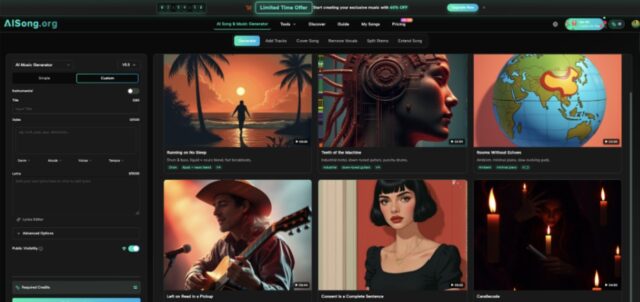
AI Music Generator can work from a described idea, while AISong also offers a lyrics-to-song route if you already have words you want to hear sung. That gives you two sensible starting points: test the story as a concept first, or bring your own lyrics and focus on how the music supports them.
The important part is consistency. A gentle family memory may not need huge cinematic drama. A funny road-trip song probably does not need a mournful ballad arrangement.
 Write Lyrics That Sound Like Something You Would Say
 Write Lyrics That Sound Like Something You Would Say
Personal songs become less personal when every line tries to sound profound.
Use your normal vocabulary. If your family calls a place “the old jetty,” write that. If a friend always says the same phrase, consider using it as a hook. If you remember a red cooler, muddy shoes, or a cracked phone screen, those are stronger than generic words like “memories,” “journey,” and “forever.”
You can also simplify lines after hearing them. A sentence that reads well may contain too many words to sing comfortably. If the vocal feels rushed, shorten the line rather than stuffing more instructions into the prompt.
A useful rule is one image per line or thought. Give the listener time to picture it.
Test the Song With the Memory Beside It
If the song is meant for a video or slideshow, do not judge it separately. Put it under the actual images.
A track may feel perfect on its own but too busy beneath spoken clips. A chorus may arrive at the wrong moment. A sentimental arrangement may make a lighthearted video feel more serious than intended.
Watch the whole sequence once without editing anything. Note where the music feels naturally connected to the footage and where it fights the mood.
If the direction works but the piece needs more length for the final sequence, AISong lists an Extend Song feature. Use extension after you know the core track fits. Length should solve a timing problem, not rescue a weak idea.
Keep Expectations Personal, Not Perfect
A personal song is not successful because it sounds like a chart release. It succeeds when the person hearing it recognises the story.
That can mean leaving in a slightly odd phrase because it is something your group actually says. It can mean choosing a simple chorus because everyone can remember it. It can mean using a warm, modest arrangement instead of making every memory sound cinematic.
The technology can help shape the material, but the part that makes the song yours still comes from selection: which detail you keep, which joke you repeat, and which feeling you decide to centre.
Conclusion
You do not need formal songwriting experience to turn a familiar memory into music. Start with one specific moment, decide who the song is for, choose a simple format, and describe the mood in language you actually use. If you already have lyrics, test how they sound; if you only have a story, begin with the story and listen for direction.
Most importantly, keep the ordinary details that make the memory recognisable. The next time a weekend, celebration, or small family moment feels worth saving, try writing down five details from it before you think about writing a song.