


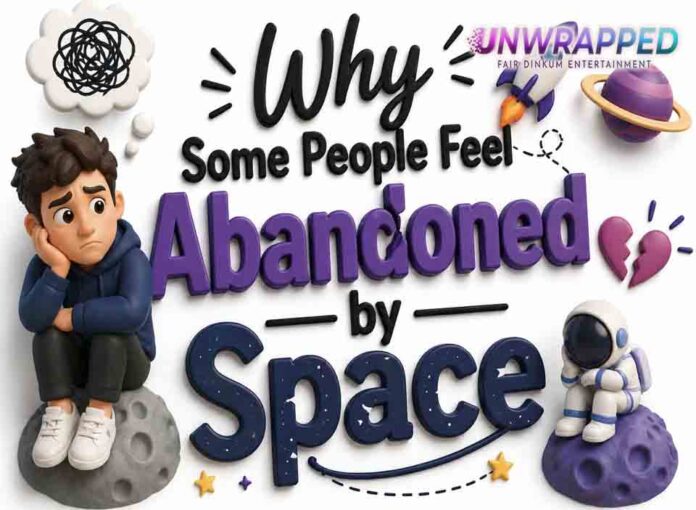
Space in relationships is often described as healthy, necessary, and even essential for long-term connection. Yet for some individuals, distance—whether emotional or physical—doesn’t feel refreshing. It feels unsettling. Silence can feel loud, independence can feel like rejection, and time apart can stir a deep sense of being left behind.
This emotional reaction isn’t simply about being “too needy” or overly sensitive. It often reflects deeper psychological patterns shaped by attachment styles, past experiences, and emotional wiring. Understanding why some people feel abandoned by space reveals a powerful truth: not everyone experiences distance the same way, and for some, space can feel less like freedom and more like loss.
The Emotional Meaning of “Space”
To one person, space means breathing room. To another, it signals emotional disconnection.
Individuals interpret distance through the lens of their emotional history. For those with secure attachment, space can feel neutral or even positive. For others, especially those with anxious attachment tendencies, it may trigger fear and uncertainty.
Important distinction:
Space is not inherently abandonment—but it can feel that way depending on emotional conditioning.
Attachment Styles and the Fear of Distance
Anxious Attachment Patterns
People with anxious attachment often associate closeness with safety. When that closeness decreases, discomfort quickly follows.
Common reactions include:
- Overthinking delayed responses
- Feeling uneasy during periods of silence
- Seeking reassurance more frequently
The Inner Narrative
When space appears, the mind may fill in the gaps:
- “Something must be wrong”
- “They’re losing interest”
- “I’m being pushed away”
These thoughts feel real, even without evidence.
Why Silence Feels So Loud
The Brain Seeks Certainty
Human brains are wired to detect patterns and predict outcomes. When communication suddenly slows down, uncertainty increases—and uncertainty often leads to anxiety.
Without clear signals, the mind may:
- Assume negative outcomes
- Replay past conversations
- Search for hidden meaning
Emotional Amplification
Silence doesn’t stay neutral—it often becomes emotionally charged.
- A short delay can feel like rejection
- A quiet day can feel like distance
- A need for space can feel like withdrawal
See Also: The Small Relationship Habits That Reveal Personality
Past Experiences That Shape Present Reactions
Early Emotional Inconsistency
People who grew up with inconsistent emotional support may develop heightened sensitivity to distance.
- Care that was unpredictable creates uncertainty
- Attention that was inconsistent leads to hyper-awareness
- Emotional absence can leave lasting impressions
Relationship History
Past relationships also play a role.
- Experiences of ghosting or abandonment increase sensitivity
- Previous emotional neglect creates protective reactions
- Broken trust makes distance feel risky
Personality Traits and Emotional Needs
High Need for Connection
Some individuals are naturally wired for closeness.
- They feel energized by interaction
- They value frequent communication
- They associate connection with stability
Sensitivity to Emotional Shifts
Highly perceptive individuals may notice subtle changes others overlook.
- A slight change in tone feels significant
- Less communication feels like a major shift
- Emotional distance is quickly detected
These traits don’t indicate weakness—they reflect emotional awareness.
When Healthy Space Feels Unhealthy
Even when space is reasonable, perception shapes the experience.
Common Triggers
- Sudden changes in communication patterns
- Lack of explanation for needing space
- Feeling excluded or disconnected
The Emotional Response
- Anxiety or restlessness
- A strong urge to reconnect immediately
- Difficulty focusing on other tasks
These reactions are often automatic rather than intentional.
The Push-Pull Dynamic in Relationships
In many relationships, one partner seeks space while the other seeks closeness. This creates a cycle:
- One partner pulls away to recharge
- The other moves closer to reconnect
- The cycle repeats, intensifying both reactions
This dynamic can lead to misunderstanding, even when both individuals care deeply.
How to Reframe Space in Relationships
Shift the Meaning of Distance
Instead of viewing space as rejection, it can be reframed as:
- Time for personal growth
- A chance to recharge emotionally
- A normal part of healthy relationships
Build Emotional Security Internally
Relying solely on external reassurance can increase anxiety. Developing internal stability helps balance emotional responses.
- Practicing self-awareness
- Engaging in independent activities
- Strengthening self-trust
Communicate Needs Clearly
Open communication reduces uncertainty.
- Express feelings without blame
- Ask for clarity when needed
- Set expectations around communication
Practical Ways to Feel More Secure
- Create routines: Regular check-ins can provide reassurance
- Focus on consistency, not frequency: Quality matters more than constant contact
- Limit overthinking triggers: Avoid reading too much into small changes
- Stay engaged in personal interests: Independence strengthens confidence
Call to Action
Feeling abandoned by space is more common than many realize—and understanding it can change how relationships are experienced. Readers are encouraged to reflect on how they interpret distance and explore healthier ways to respond. Sharing this article can help others recognize similar patterns and open meaningful conversations about emotional needs. For those seeking stronger relationships, awareness is the first step toward balance and clarity.
Conclusion
Space in relationships is not the absence of love—it is often a part of maintaining it. However, for those who associate closeness with safety, distance can feel unsettling and even painful. This reaction is not a flaw, but a reflection of deeper emotional patterns shaped over time.
By understanding the psychology behind these feelings, individuals can begin to separate perception from reality. With clear communication, emotional awareness, and a shift in perspective, space can transform from something that feels like abandonment into something that supports healthier, more balanced connections.
People Also Love: Why Some People Feel Smothered by Love: The Hidden Psychology Behind Feeling Overwhelmed in Relationships