

Choosing a career is one of the biggest decisions a person can make, yet many people enter jobs without fully understanding how their personality affects motivation, communication, stress, creativity, and long-term satisfaction. Skills matter, but personality often shapes whether a career actually feels fulfilling over time.
That is one reason personality tests have become increasingly popular in career planning. Students use them before choosing degrees. Professionals use them during career changes. Employers sometimes use them to better understand team dynamics and workplace behavior.
The right personality assessment can help someone discover:
- Preferred work environments
- Leadership style
- Communication habits
- Decision-making patterns
- Emotional strengths
- Social energy preferences
- Career compatibility
However, not every personality test works the same way. Some focus on behavior, while others explore emotional patterns, cognitive preferences, or workplace tendencies.
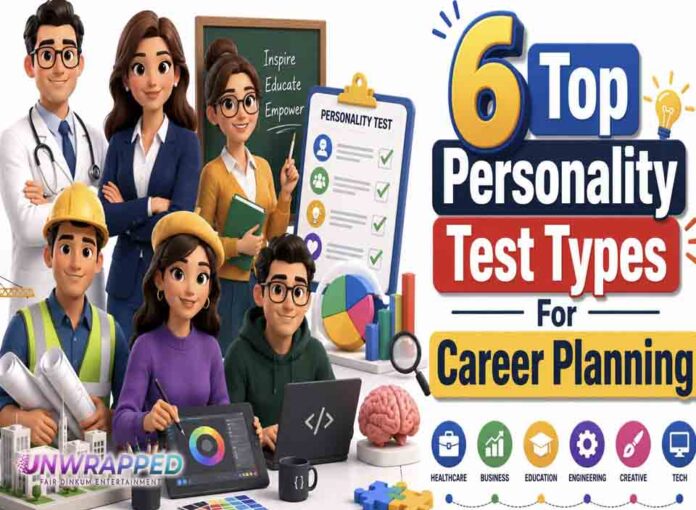
Below are six of the top personality test types commonly used for career planning and professional self-discovery.
Why Personality Matters in Career Planning
Many people assume career success depends only on intelligence, qualifications, or experience. While those things matter, personality strongly affects daily work satisfaction.
For example:
- A highly social person may struggle in isolated work environments.
- A deeply analytical thinker may dislike chaotic workplaces.
- A creative personality may feel drained in repetitive systems.
- A highly structured individual may struggle in unpredictable roles.
According to research discussed by Psychology Today, personality traits influence behavior, motivation, stress response, and interpersonal dynamics — all critical parts of career satisfaction.
That is why personality testing has become a major tool in modern career development.
Myers-Briggs Type Indicator (MBTI)
The Myers-Briggs Type Indicator (MBTI) remains one of the most recognized personality systems in career planning.
It divides personality into 16 types based on four dimensions:
- Introversion vs Extroversion
- Intuition vs Sensing
- Thinking vs Feeling
- Judging vs Perceiving
Popular personality types include:
- INFJ
- ENTP
- ISTJ
- ESFP
Why MBTI Helps With Career Planning
The MBTI is popular because it connects personality preferences to work styles.
For example:
- Introverted intuitive personalities may prefer research, strategy, writing, or design.
- Extroverted feeling personalities may thrive in teaching, leadership, coaching, or communication-heavy roles.
Career Strengths of MBTI
- Easy to understand
- Strong focus on communication
- Helpful for teamwork insights
- Encourages self-awareness
Potential Limitations
Some psychologists criticize the MBTI for oversimplifying personality into fixed categories rather than flexible spectrums.
Still, it remains widely used because people often find its career insights practical and relatable.
Big Five Personality Test
Many psychologists consider the Big Five Personality Traits Model one of the most scientifically supported personality systems available.
The five dimensions include:
- Openness
- Conscientiousness
- Extraversion
- Agreeableness
- Emotional Stability
Unlike MBTI, the Big Five measures personality on scales instead of strict types.
Why It Works Well for Career Planning
The Big Five helps employers and individuals understand workplace tendencies more realistically.
For example:
- High conscientiousness often predicts organization and reliability.
- High openness may align with creative or innovative careers.
- High extraversion often fits social leadership environments.
Benefits of Big Five Testing
- Strong research backing
- Flexible personality spectrum
- Useful for leadership development
- Often used in workplace psychology
This model is commonly referenced in organizational psychology because it measures stable personality patterns rather than assigning identity labels.
Holland Code Career Test (RIASEC)
The Holland Code Career Theory focuses less on personality labels and more on career interest environments.
It organizes people into six categories:
- Realistic
- Investigative
- Artistic
- Social
- Enterprising
- Conventional
Why Holland Codes Are Popular
This system helps connect personality tendencies directly to work environments.
For example:
- Artistic personalities may prefer creative careers
- Investigative personalities often enjoy research and analysis
- Social personalities may thrive in people-centered work
Career Areas Commonly Linked to Holland Codes
- Engineering
- Counseling
- Marketing
- Design
- Healthcare
- Entrepreneurship
The Holland system is especially useful for students exploring possible industries for the first time.
Another Must-Read: Which Personality Test Shows Introvert Or Extrovert?
DISC Personality Assessment
The DISC Assessment Model focuses heavily on communication and workplace behavior.
The four DISC dimensions include:
- Dominance
- Influence
- Steadiness
- Conscientiousness
Why DISC Is Used in Careers
DISC is widely used for:
- Team building
- Leadership coaching
- Communication training
- Sales development
- Workplace conflict management
For example:
- High Dominance personalities may enjoy fast-paced leadership roles
- High Steadiness personalities may excel in support or relationship-focused positions
What Makes DISC Useful
- Practical workplace application
- Easy communication insights
- Strong leadership relevance
- Helpful for team compatibility
Many companies use DISC because it focuses directly on professional interaction styles.
Enneagram Personality System
The Enneagram Institute describes nine personality types centered around motivation, emotional patterns, and internal fears.
Unlike many workplace-focused tests, the Enneagram explores deeper emotional drivers behind behavior.
Why It Helps Career Planning
Career satisfaction is not only about skill. Emotional fulfillment matters too.
For example:
- Type 3 personalities may seek achievement-driven careers
- Type 2 personalities may feel fulfilled helping others
- Type 5 personalities may prefer analytical independence
Strengths of the Enneagram
- Emotional depth
- Self-awareness focus
- Relationship insight
- Strong personal growth framework
This system often resonates with people exploring meaning, purpose, burnout, and emotional motivation in work life.
Personality Peek Archetype System
Modern archetype-based systems are becoming increasingly popular because they combine practical behavior analysis with emotional insight.
For example, Personality Peek explores:
- Leadership tendencies
- Creative patterns
- Group dynamics
- Communication style
- Pressure responses
- Work preferences
- Emotional behavior
Instead of focusing only on job fit, archetype systems explore how personality affects:
- Decision-making
- Motivation
- Conflict
- Team energy
- Creativity
- Independence
Why Archetype Systems Feel Different
People often relate strongly to archetypes because they describe personality in a more human and emotionally nuanced way.
Someone may discover they are:
- A visionary strategist
- A structured organizer
- A calm stabilizer
- An independent innovator
- A deeply empathetic planner
This style of testing feels less clinical and more personally reflective.
How To Choose the Right Personality Test
Not every personality test works for every goal.
Choose MBTI If:
- Looking for personality categories
- Interested in communication styles
- Exploring team compatibility
Choose Big Five If:
- Wanting scientific credibility
- Exploring workplace psychology
- Preferring personality spectrums
Choose Holland Codes If:
- Exploring career industries
- Unsure about career direction
- Interested in work environments
Choose DISC If:
- Improving communication
- Developing leadership skills
- Working in teams
Choose Enneagram If:
- Interested in emotional growth
- Exploring deeper motivation
- Understanding stress patterns
Choose Personality Peek If:
- Wanting modern personality archetypes
- Exploring emotional and behavioral patterns
- Seeking practical self-discovery insights
The best career personality test depends on what someone hopes to understand about themselves.
Can Personality Tests Predict Career Success?
Not completely.
A personality test cannot guarantee success or happiness. However, it can increase self-awareness.
Career satisfaction usually comes from a combination of:
- Personality fit
- Values
- Environment
- Skill
- Purpose
- Relationships
- Work-life balance
Personality testing simply helps people recognize patterns they may otherwise ignore.
For example:
- Why certain jobs feel draining
- Why some environments feel energizing
- Why leadership may feel natural or stressful
- Why creativity matters more than routine for some personalities
The goal is not perfection.
The goal is alignment.
Call to Action
Curious which career paths naturally align with personality patterns, strengths, and emotional wiring?
Take the FREE Core-64 Personality Quiz at Personality Peek to explore personality archetypes, leadership style, communication tendencies, creative strengths, and deeper workplace behavior patterns.
Share results with friends or coworkers and discover how differently people approach work, goals, pressure, and motivation.
Conclusion
Career planning becomes much easier when personality is part of the conversation. Skills can be learned, but personality often shapes what feels meaningful, energizing, sustainable, and emotionally rewarding over time.
The best personality tests do not tell people exactly what career to choose. Instead, they reveal patterns that help people make smarter, more aligned decisions about work, communication, leadership, creativity, and long-term fulfillment.
Whether someone prefers structured systems, emotional insight, leadership analysis, or creative archetypes, personality testing can offer valuable clarity during career planning. Used thoughtfully, these tools become less about labels and more about understanding how different personalities naturally thrive in different environments.
See Also: Can Personality Tests Be Wrong?