

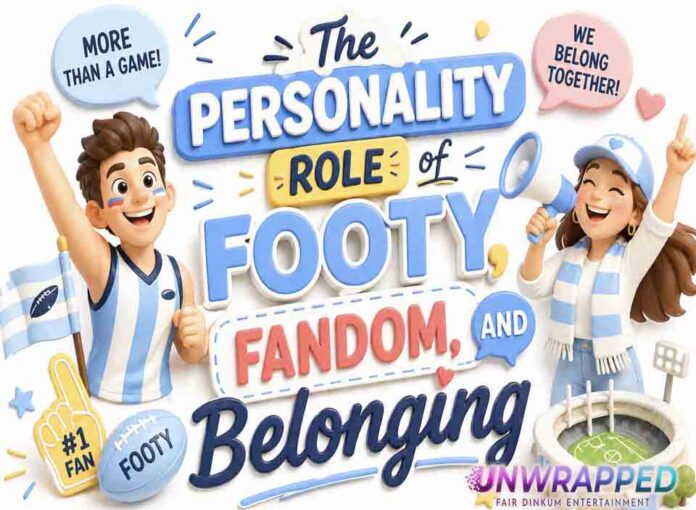
On the surface, footy is just a game—players, scores, rivalries, and weekend matches. But beneath the noise of the crowd and the thrill of competition lies something far more powerful. For many, especially in sports-driven cultures, footy becomes a reflection of identity, a source of belonging, and a subtle expression of personality. It’s not just about who wins—it’s about who people are when they cheer, celebrate, and even lose.
Fandom, particularly in sports like Australian football, goes beyond entertainment. It creates shared language, rituals, and emotional investment that connect individuals across backgrounds. Understanding the personality role of footy reveals how deeply sports can influence social behavior, emotional expression, and the human need to belong.
Why Footy Is More Than a Game
Footy carries cultural weight. It represents history, community, and tradition—elements that naturally shape identity.
People are wired to seek belonging within groups. Sports fandom offers a clear and accessible way to fulfill that need.
What Makes Footy Unique
- Strong regional and local ties
- Generational loyalty passed through families
- Emotional highs and lows shared collectively
- Rituals like game-day gatherings and chants
These elements transform footy into a social experience rather than a simple pastime.
Fandom as an Extension of Personality
Identity Through Team Loyalty
Supporting a team often becomes part of how individuals define themselves.
- “Loyal” fans stick with their team through losses
- “Passionate” fans express intense emotional reactions
- “Analytical” fans focus on strategy and performance
This alignment between personality traits and fandom style creates a sense of authenticity.
Emotional Expression in a Safe Space
Sports provide a socially accepted outlet for emotions that might otherwise be restrained.
- Excitement during a win
- Frustration during a loss
- Pride in team achievements
Fandom allows people to experience and express emotions collectively, strengthening social bonds.
The Psychology of Belonging
Shared Identity and Group Connection
When individuals support the same team, they become part of an “ingroup.”
- Shared colors, symbols, and chants
- A sense of unity during matches
- Instant connection with strangers who support the same team
This phenomenon is closely tied to social identity theory, which explains how group membership shapes self-concept.
The “We” Effect
Fans often use collective language:
- “We won”
- “We played well”
Even without direct involvement, the sense of participation is real and emotionally meaningful.
See Also: Why Australians Bond Through Shared Complaints
Rituals That Strengthen Bonds
Game-Day Traditions
Footy fandom thrives on routine and ritual.
- Watching games at the same venue
- Wearing team jerseys
- Pre-game and post-game discussions
These repeated behaviors reinforce connection and create a sense of stability.
Social Gatherings
Footy often brings people together physically and socially.
- Friends and families gather to watch matches
- Communities unite during major games
- Conversations naturally revolve around shared experiences
Rivalries and Personality Expression
Competitive Identity
Rivalries add intensity to fandom, allowing individuals to express competitive traits.
- Playful banter reflects confidence and humor
- Heated debates reveal passion and investment
- Loyalty during rivalry games highlights commitment
Respect and Sportsmanship
Interestingly, rivalries can also foster respect.
- Acknowledging a strong opponent
- Recognizing skill and effort
- Maintaining boundaries in competition
These dynamics reveal how personality shapes behavior even in competitive settings.
The Emotional Impact of Winning and Losing
The High of Victory
Winning creates a shared sense of joy and achievement.
- Boosts mood and confidence
- Strengthens group identity
- Encourages celebration and connection
The Weight of Defeat
Losses, while disappointing, also play a role.
- Encourage resilience
- Create opportunities for reflection
- Strengthen loyalty through adversity
This emotional cycle mirrors real-life experiences, making footy a microcosm of broader human behavior.
Footy as a Social Equalizer
Breaking Down Barriers
One of the most powerful aspects of fandom is its ability to connect people across differences.
- Age, background, and profession become secondary
- Shared interest becomes the primary connection
- Conversations flow naturally
Inclusivity Through Shared Passion
Footy creates spaces where individuals feel included simply by participating.
- New fans are welcomed through shared enthusiasm
- Conversations don’t require deep familiarity
- Connection is immediate and accessible
When Fandom Becomes Identity-Defining
While fandom can be positive, it’s important to maintain balance.
Potential Challenges
- Over-identification with a team
- Emotional dependence on outcomes
- Conflict with opposing fans
Healthy Engagement
- Enjoying the experience without overattachment
- Respecting differing perspectives
- Keeping perspective on wins and losses
Call to Action
Footy fandom is more than entertainment—it’s a window into personality, connection, and belonging. Readers are encouraged to reflect on how their own interests shape their identity and relationships. Sharing this article can spark conversations about the deeper meaning behind everyday passions. For those looking to strengthen social connections, embracing shared experiences like sports can be a powerful and enjoyable starting point.
Conclusion
Footy, fandom, and belonging are deeply intertwined. What begins as a simple interest in a sport often evolves into a meaningful part of identity and social life. Through shared experiences, emotional expression, and collective rituals, fans find connection in ways that go far beyond the game itself.
At its core, fandom reflects a universal human need—to belong, to connect, and to be part of something larger. Footy provides a platform for this need, turning individual passion into shared identity. In doing so, it reveals not just how people support a team, but how they express who they are.
Another Must-Read: The Difference Between Boundaries and Ultimatums